Peated vs Unpeated: A Guide for the Peat-Curious
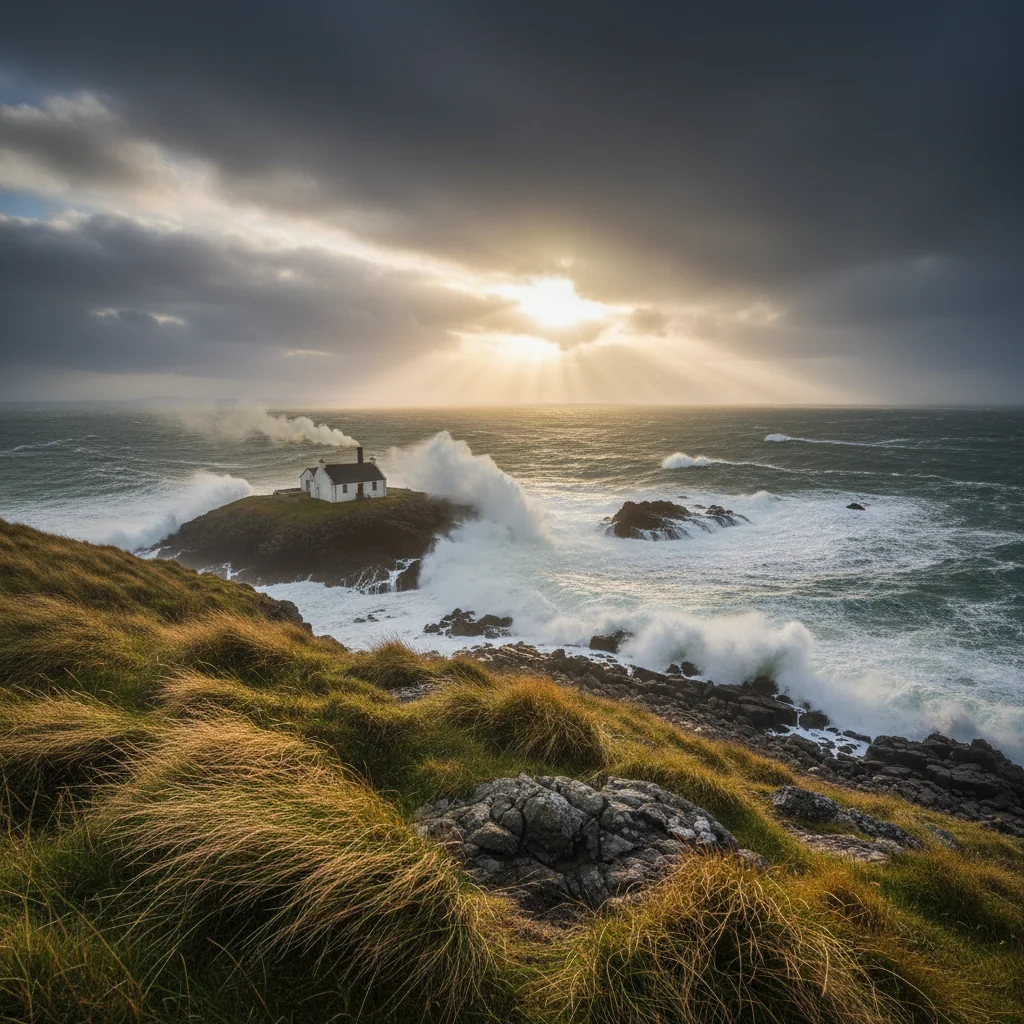
Captain's log: Made port on Islay. The air itself tastes of smoke. Crew divided — half say it smells like home, half want to sail on immediately. Opened a bottle of the local spirit. By the second glass, no one wanted to leave.
Peat is the great divider in whisky. People tend to fall into one of three camps: those who love it, those who hate it, and those who have heard about it but are not quite sure what the fuss is about. If you are in that third camp, this is written for you. Peat is not an assault — at least, not always — and there is a whole spectrum of smoky whisky between "gentle hint of campfire" and "your mouth is on fire and you can taste last Tuesday."
What Peat Actually Is
Peat is partially decomposed plant matter — mostly sphagnum moss, heather, grasses, and tree roots — that has been compressed over thousands of years in waterlogged, oxygen-poor ground. Scotland, Ireland, and parts of Japan have vast peat bogs, some of them ten thousand years old.
In whisky production, peat enters the picture during malting. Barley needs to be soaked in water (steeped) until it begins to germinate, then dried to stop the germination. Traditionally, peat was the fuel used to generate the heat for drying. The peat smoke passes through the damp barley, and the phenolic compounds in the smoke bind to the grain.
These phenolic compounds survive the distillation process and end up in the final spirit. That is where the smoke, iodine, tar, seaweed, and medicinal flavours come from.
Why Islay?
Islay is synonymous with peated whisky because the island has enormous peat reserves and, historically, peat was the only fuel available for drying barley. Mainland distilleries had access to coal and coke, so they switched away from peat earlier. Islay stuck with what it had, and a regional style was born. Today, distilleries anywhere can peat their malt to any level — but Islay remains the spiritual home.
The PPM Scale: A Rough Guide
PPM — phenol parts per million — measures the level of phenolic compounds in the malted barley before distillation. It is a useful rough guide to intensity, but it is not the whole story:
- 0-5 PPM: Unpeated or negligibly peated. Most Speyside and Highland whisky.
- 5-15 PPM: Lightly peated. A whisper of smoke. You might not even identify it as "peated" if you were not told.
- 15-30 PPM: Moderately peated. Clearly smoky, but with plenty of room for other flavours. Highland Park sits here.
- 30-55 PPM: Heavily peated. Smoke is a dominant flavour. Laphroaig, Ardbeg, and most Islay malts live in this range.
- 55+ PPM: Extreme peat. Bruichladdich's Octomore range goes above 200 PPM. These are specialist bottles for confirmed peat lovers.
Why PPM is not the whole picture: PPM measures the malt, not the finished whisky. Distillation method, cask type, and maturation length all affect how much peat character survives into the glass. A heavily peated malt aged in an active sherry cask for 18 years will taste very different from the same malt aged in a refill bourbon cask for 6 years. The number on the bag of malt is a starting point, not a destination.
The Flavour Spectrum of Peat
"Smoky" is the easy descriptor, but peated whisky is far more varied than that suggests. Different peat sources and production methods produce different flavour profiles:
Islay peat (coastal, marine-influenced):
- Smoke, yes, but also iodine, seaweed, brine
- Tar, rope, fishing nets
- Medicinal notes — antiseptic, TCP (this sounds awful; in context, it works)
- Classic examples: Laphroaig, Ardbeg, Lagavulin
Highland/mainland peat (inland, heather-based):
- Softer, drier smoke — more like a wood fire than a bonfire
- Heather honey, dried herbs
- Less maritime, more earthy
- Classic examples: Highland Park, Talisker, BenRiach
Japanese peat (varies by source):
- Often softer and more integrated than Scottish peat
- Subtle, elegant smokiness rather than a punch
- Classic examples: Hakushu (lightly peated expressions), Yoichi
Irish peat (bog-based):
- Earthy, mossy, vegetal
- Less aggressive than Islay but distinct
- Classic examples: Connemara
The Peat Ladder: Your Progression Guide
If you are peat-curious, do not start at the top. Your palate needs calibration. Here is a practical route from "never tried it" to "pour me the Octomore":
Rung 1: The Gentle Introduction
Start with whisky where peat is an accent, not the main event. You want smoke in the background, playing a supporting role to fruit, malt, and sweetness.
- Highland Park 12 — The classic gateway. Heathery smoke, honey, dried orange, and sherry sweetness. The smoke is present but polite. If you hate this, peated whisky might genuinely not be for you. If you find it interesting, keep climbing.
- Talisker 10 — Maritime and peppery with moderate smoke. Coastal rather than industrial. Pairs brilliantly with seafood, which is a useful test: if you like Talisker with smoked salmon, you will like stronger peat eventually.
Highland Park
Highland Park 12 Year Old
Heather smoke, honey, dried orange peel, and a sherry-sweetened warmth. The peat is gentle — more like a smouldering hearth than a raging bonfire. This is the bottle that has converted more people to smoky whisky than any other. Start here. If you like it, the whole peated world opens up.
Buy on The Whisky ShopRung 2: The Committed Step
You have decided smoke is interesting. Now try something where peat shares the spotlight more equally with other flavours.
- Caol Ila 12 — Islay, but the gentler side. Oily, citrusy, smoky. Less aggressive than its neighbours Lagavulin and Laphroaig.
- Bowmore 12 — Tropical fruit meets sea smoke. Divisive but fascinating.
- Talisker Storm — More assertive smoke than the 10, with a peppery, maritime kick.
Rung 3: The Full Islay
You are ready. The smoke is the headline act, and everything else plays around it.
- Lagavulin 16 — Rich, deep, intensely smoky but balanced with sherry sweetness. One of the most celebrated whiskies in the world for good reason.
- Laphroaig 10 — The one that splits rooms. Medicinal, briny, intensely peated, and absolutely brilliant. You either love Laphroaig or you respect it from a distance. There is no indifference.
Laphroaig
Laphroaig 10 Year Old
Seaweed, iodine, smoked fish, TCP, and a surprising sweetness underneath it all. This is the deep end of the pool. It smells like a hospital ward that has been set on fire near the ocean, and I mean that as a compliment. Laphroaig is the whisky that teaches you peat is not just smoke — it is an entire landscape in a glass. You will probably pull a face on the first sip. By the third, you will understand why people get tattoos of this distillery's name.
Buy on The Whisky ShopRung 4: The Peat Monster
You love peat. You want more. The world provides.
- Ardbeg 10 — Smoke, lemon, dark chocolate, espresso. More complex than Laphroaig, with extraordinary balance despite the intensity. See our Ardbeg vs Laphroaig head-to-head for a direct comparison of these two Islay giants.
- Ardbeg Uigeadail — Peat meets sherry cask. One of the greatest whiskies ever bottled, at any price.
- Octomore (any release) — Bruichladdich's experimental series. PPM levels above 200. Not a gimmick — genuinely extraordinary, complex whisky that happens to be ferociously smoky. Our ranking of every Islay distillery by peat level shows where each one sits on the spectrum.
The Unpeated Side Deserves Respect
Worth saying clearly: most whisky is unpeated, and it is brilliant. Speyside, most of the Highlands, Lowlands, Irish, most Japanese, and nearly all bourbon — none of these use peat. You do not need to love peat to love whisky. Peated whisky is a subcategory, not a requirement.
The best approach is to understand both sides and drink what you enjoy. Forcing yourself through heavily peated whisky to seem knowledgeable is the opposite of the point.
The peat trap
Once you get hooked on heavily peated whisky, there is a risk of your palate calibrating upward — needing more and more smoke to feel satisfied, and finding unpeated whisky "boring" by comparison. If this happens, take a deliberate break from peat for a few weeks. Come back to an unpeated Speyside or an Irish pot still. Your palate will reset, and you will be able to appreciate the full range again.
Peat and Food: Better Than You Think
Peated whisky is surprisingly versatile with food:
- Lightly peated (Highland Park, Talisker): Smoked salmon, grilled mackerel, hard aged cheese
- Medium peated (Caol Ila, Bowmore): Oysters, seared scallops, dark chocolate
- Heavily peated (Laphroaig, Ardbeg): Blue cheese (specifically Roquefort or Stilton — the combination is otherworldly), smoked meats, charred steak
The smoky character of peated whisky acts like a seasoning — it amplifies savoury, umami-rich foods in the same way that actual smoke does in cooking.
The Bottom Line
Peat is not a test of toughness or a badge of whisky credibility. It is a flavour — a fascinating, complex, divisive flavour that some people adore and others genuinely do not enjoy. Both responses are valid. But if you are on the fence, start low on the ladder, give your palate time to adjust, and see where it takes you. The worst that happens is you find out smoky whisky is not for you. The best that happens is you gain access to an entire category of some of the most remarkable spirits ever produced.
Continue the voyage
How to Actually Taste Whiskey (Without Pretending)
A practical, no-nonsense guide to tasting whiskey properly — without the pretentious theatre.
Sherry, Bourbon, Port: How the Cask Shapes Your Dram
Bourbon casks give vanilla, sherry casks give dried fruit, port casks give berry — here's how to read the wood behind your whisky.
Single Malt vs Blended: The Snobbery Is Wrong
Single malt doesn't mean better. Blended whisky is an art form — and some of the best drams on earth are blends. Time to drop the snobbery.