How to Actually Taste Whiskey (Without Pretending)
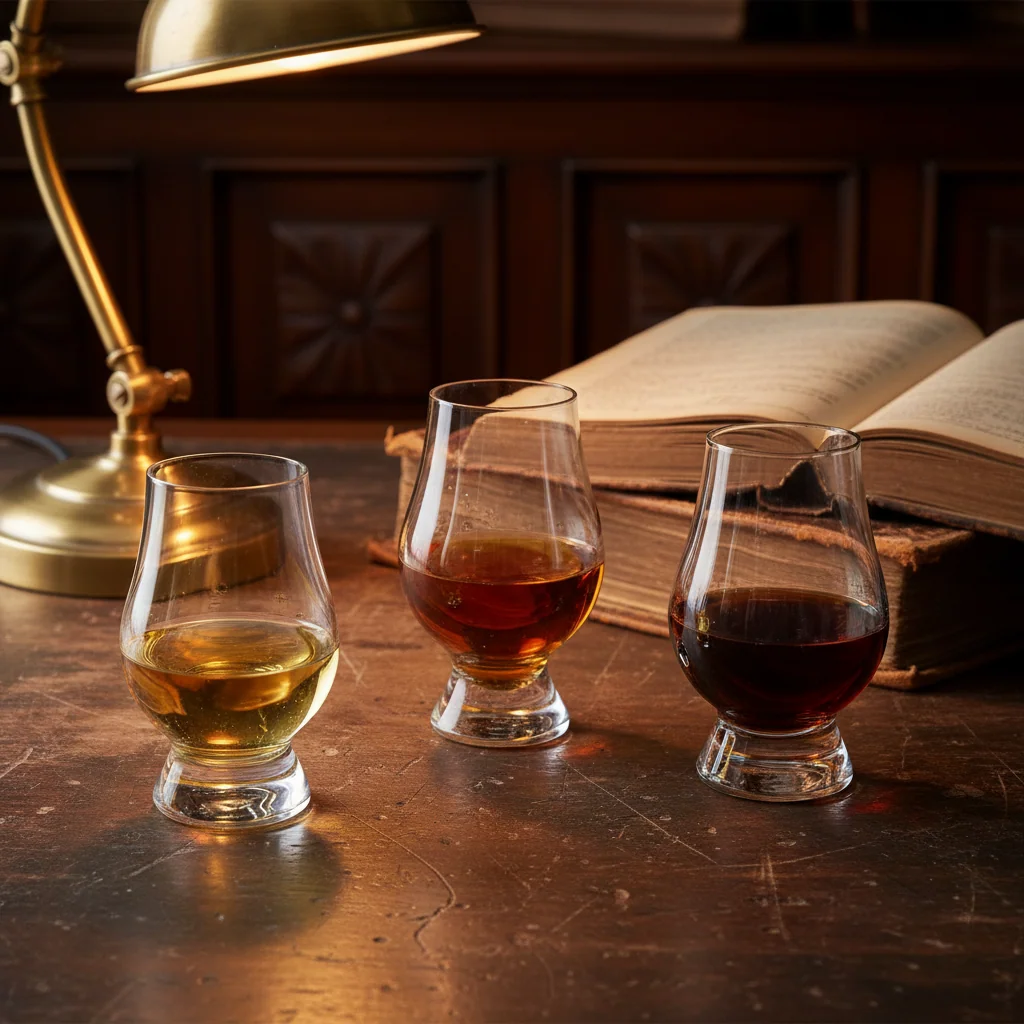
The glass sat heavy in my palm, the colour of old copper pennies and late-autumn oak. Somewhere between the first inhale and the warmth that crept across my chest, the room went quiet. That was ten years ago — the first time whiskey stopped being something I drank and started being something I noticed.
Here is the good news: you do not need a leather-bound notebook, a monocle, or a vocabulary borrowed from a perfume counter to taste whiskey properly. You just need to slow down a little and pay attention.
Forget Everything the Internet Told You
Most tasting guides read like they were written by someone trying to impress a date at a whiskey bar. They tell you to "chew" the whiskey, to identify precisely seventeen distinct flavour notes, and to nod sagely while muttering about "mouthfeel." That is performance, not tasting.
Tasting whiskey is simple. You smell it. You sip it. You think about whether you like it and why. Everything else is refinement on that foundation.
Step 1: Pick the Right Glass
This is the one piece of equipment advice that genuinely matters. A wide-brimmed tumbler — the kind you see in every whiskey advert — is terrible for tasting. It lets all the aromas scatter before they reach your nose, which is doing about 80% of the work here.
Use a tulip-shaped glass. A Glencairn is the standard and costs about four quid. The narrow opening funnels the aromas upward, concentrating them where you can actually smell them. If you do not have one, a small wine glass works in a pinch. A coffee mug does not.
Glass tip
If you are buying Glencairn glasses, get at least two. Comparing whiskeys side by side is where the real learning happens — differences jump out at you that you would never notice tasting one bottle in isolation.
Step 2: Pour and Look (Briefly)
Pour about 25ml — roughly a pub measure. Hold it up to the light if you feel like it. The colour can tell you something: darker often means longer cask ageing or sherry cask influence, paler suggests bourbon casks or younger spirit. But colour can also be faked with caramel colouring (E150a), which most Scotch brands use, so do not read too much into it.
Swirl gently and watch the "legs" run down the glass. Thicker, slower legs suggest higher alcohol or richer body. This takes three seconds and tells you something. Staring at the legs for thirty seconds while describing them to the table tells people something about you.
Step 3: Nose It Properly
This is where most people go wrong. They shove their nose deep into the glass and take a massive sniff, which promptly cauterises their nostrils with alcohol vapour and ruins their ability to smell anything for the next two minutes.
Instead:
- Hold the glass a few inches from your nose and bring it closer gradually
- Keep your mouth slightly open — this sounds odd but it diffuses the alcohol burn and lets the actual aromas through
- Breathe gently, do not sniff aggressively
- Move the glass around — different angles catch different notes
What are you smelling for? Whatever you actually smell. If you get vanilla, great. If you get "something sweet," also great. If you get "reminds me of my gran's kitchen," that is a perfectly valid tasting note. Your brain links smells to memories, and your memories are different from everyone else's. There are no wrong answers here.
From the crew
If you are struggling to pick out anything beyond "whiskey," try smelling with one nostril at a time. Each nostril emphasises different compounds. It looks a bit daft, but it works.
Step 4: The First Sip
Take a small sip — genuinely small, not a mouthful. Let it sit on your tongue for a moment. Your tongue detects basic tastes (sweet, salt, bitter, sour, umami) while your retronasal passage handles the complex flavour work. That is why holding it in your mouth briefly matters.
You will notice the whiskey hits different parts of your mouth at different times. The tip of your tongue might catch sweetness first, then spice might build at the sides, and the finish — what you taste after swallowing — might be completely different again. A great whiskey changes as it moves through your mouth. A boring one stays the same.
Do not "chew" the whiskey unless you want to. Some people find it helps, most just feel silly doing it.
Step 5: Add Water (Seriously, Do It)
Adding a few drops of water to whiskey is not sacrilege. It is chemistry. Water breaks the surface tension and releases volatile compounds that were trapped. A whiskey at 46% ABV will often show you completely different flavours with a splash of water than it does neat.
The key word is "drops." Use a pipette or a teaspoon. You can always add more water; you cannot take it out. Start with three or four drops, nose it again, sip again. You will often find sweetness or fruitiness that was hiding behind the alcohol.
The water test
If adding water makes a whiskey fall apart and taste thin and watery, that tells you something too. Robust whiskeys open up with water. Weaker ones collapse. It is a useful quality test.
Step 6: The Second and Third Sip
Your first sip is mostly about your palate adjusting to the alcohol. The second and third sips are where you actually start tasting the whiskey. This is when you notice whether the finish is long or short, whether new flavours appear, whether you are reaching for the glass again or not.
That last part — whether you want another sip — is the most honest tasting note there is.
What to Actually Write Down
If you want to keep notes (and you should, because you will forget), keep it simple:
- What I smelled: two or three things
- What I tasted: two or three things
- The finish: short/medium/long, and what it tasted like
- Would I buy a bottle?: yes/no/at what price
- What it reminded me of: this is the most useful note for your future self
Nobody is marking your homework. "Tastes like Christmas cake and wood smoke, good finish, would buy under £40" is a better tasting note than three paragraphs of flowery nonsense you copied from the back of the bottle.
The Only Rule That Matters
If you like it, it is good whiskey. Full stop. Do not let anyone tell you that your palate is wrong because you prefer a £25 blend to a £200 single malt. Taste is subjective, and the whiskey industry has spent decades building a hierarchy that conveniently puts the most expensive bottles at the top.
Drink what you like. Pay attention while you do it. That is tasting.
Continue the voyage
Scotch vs Irish vs Bourbon: What Actually Makes Them Different
The real legal, production, and flavour differences between Scotch, Irish whiskey, and bourbon — not the generic version.
9 Whiskey Myths That Need to Die
From 'older is always better' to 'ice ruins whiskey' — nine persistent myths that are keeping you from actually enjoying your dram.
Your First 'Good' Bottle of Whiskey: Where to Start
A no-nonsense guide to picking your first proper bottle of whiskey — based on what you already drink, not what snobs tell you to buy.