Ardbeg vs Laphroaig: The Islay Peat Duel
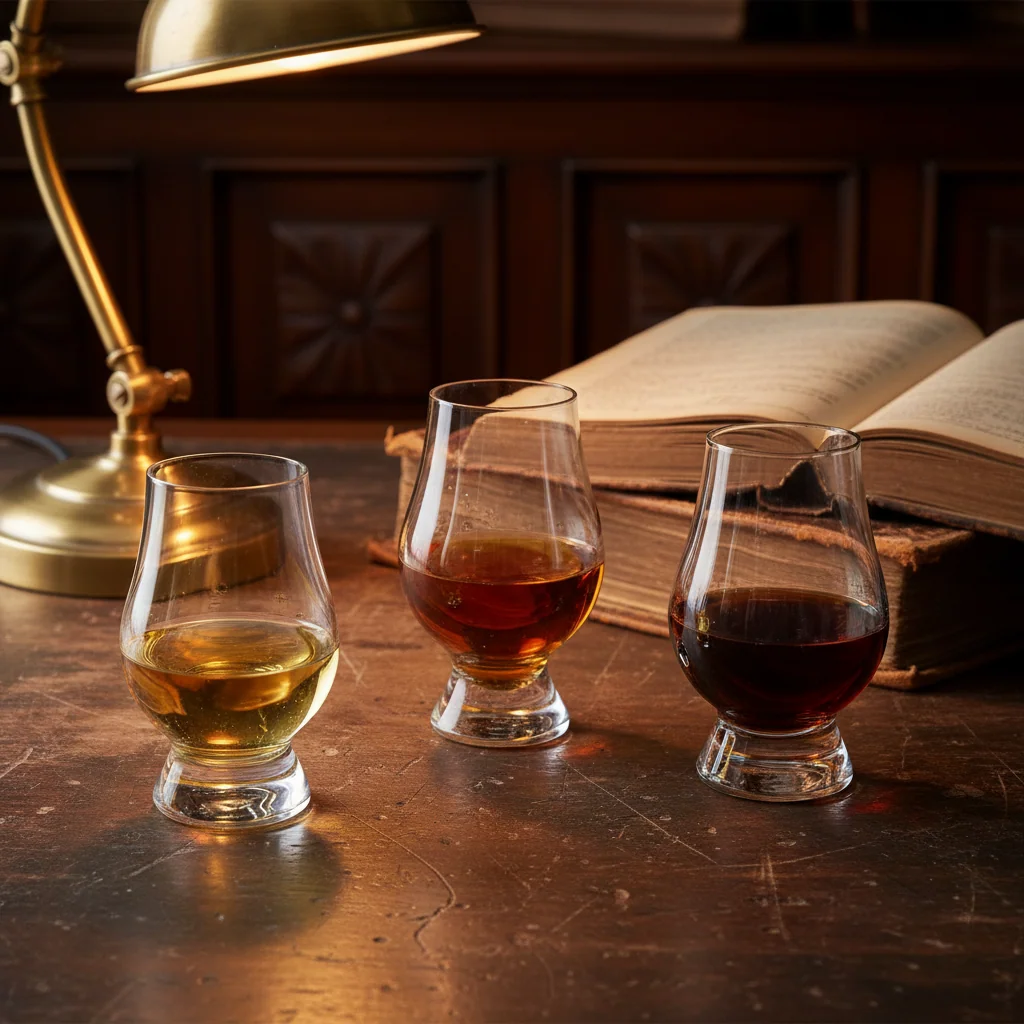
Two miles of Islay's southern coast separate them. The same Atlantic weather beats against both. They were founded in the same year — 1815 — as if the island needed two arguments for the same idea. Stand between them on the coast road and you can see both: Laphroaig to the west, Ardbeg to the east, with Lagavulin sitting between them like a referee who has given up trying.
This is the oldest rivalry in Scotch whisky, and it is not close to being settled. Both make intensely peated, coastal single malt. Both inspire devotion that borders on the unreasonable. But they taste nothing alike.
The Tale of the Tape
| Ardbeg | Laphroaig | |
|---|---|---|
| Founded | 1815 | 1815 |
| Owner | LVMH (via Glenmorangie) | Beam Suntory |
| Peat level | ~55 PPM | ~40-45 PPM |
| Floor maltings | No | Yes |
| Flagship | Ardbeg Ten | Laphroaig 10 |
| Tours | Yes | Yes |
| Online shop | Yes | Yes |
History
Ardbeg
Ardbeg's story is one of near-death and resurrection. Founded in 1815, it ran well enough for a century and a half before the economics of single malt production in the 1980s nearly killed it. Production was intermittent through the 80s and stopped entirely from 1981 to 1989, then limped along until Glenmorangie bought the distillery in 1997. What followed was one of whisky's great comebacks. Under distillery manager Mickey Heads (now retired), Ardbeg rebuilt its reputation with ferocious, unapologetic peat monsters that somehow also managed to be elegant. LVMH acquired Glenmorangie (and with it Ardbeg) in 2004, and the marketing muscle has not dimmed the quality. The core range — Ten, Uigeadail, Corryvreckan — is one of the strongest in Scotch whisky.
Laphroaig
Laphroaig has been more consistent in its operation, though ownership has changed hands several times. Founded in 1815 by Donald and Alexander Johnston, it passed through various families before Allied Domecq took over, then Beam (now Beam Suntory) from 2005. Laphroaig's defining feature is its floor maltings — one of only a handful of Scotch distilleries that still malt a portion of their own barley on-site. They peat it over a kiln fired with Islay peat cut from their own peat beds. This is not heritage cosplay; it directly shapes the final spirit. Laphroaig also holds a Royal Warrant from the Prince of Wales (now King Charles III), who visited in 1994 and reportedly said it was his favourite whisky. A certain type of person finds this very reassuring.
House Style
This is where the two distilleries genuinely diverge.
Laphroaig is medicinal. There is no polite way around it. The dominant notes are iodine, TCP, seaweed, brine, and bandages. Underneath that there is sweetness — vanilla, a hint of coconut from the bourbon casks — but the first impression is always that medicinal, coastal punch. People who hate Laphroaig hate it specifically and vocally. People who love it cannot understand how anyone drinks anything else.
Ardbeg is smoky but sweeter. The peat hits harder on paper (55 PPM vs 40-45), but the distillery character adds lime zest, lemon oil, vanilla, and a clean, almost minty freshness that Laphroaig does not have. Ardbeg's smoke is more campfire, less hospital. There is a citrus-sweetness interplay that makes it more immediately approachable, even at higher peat levels.
The difference comes down to distillation and water source as much as malting. Ardbeg's stills have purifiers — small copper condensers that force heavier compounds back down for redistillation, producing a cleaner, lighter spirit despite the massive peat input. Laphroaig does not use purifiers, giving a heavier, oilier spirit that carries more of the medicinal character through.
The Flagships: Head to Head
Ardbeg Ten
Ardbeg
Ardbeg Ten Year Old
Intense peat smoke layered with lemon zest, lime oil, vanilla, dark chocolate, and espresso. Non-chill-filtered at 46% — punchy, complex, and surprisingly sweet for its peat level. The finish runs for minutes.
Buy on Loch Fyne WhiskiesThe Ardbeg Ten is bottled at 46%, non-chill-filtered — a meaningful difference from Laphroaig's 40%. You get more texture, more oil, more flavour intensity. The extra six percent is not just alcohol; it is everything that chill-filtration would strip out.
Laphroaig 10
Laphroaig
Laphroaig 10 Year Old
Full medicinal peat, iodine, sea salt, seaweed, vanilla from bourbon casks, a hint of sweetness underneath. Briny, coastal, unapologetically intense. The whisky that starts more arguments than any other.
Buy on The Whisky ShopLaphroaig 10 at 40% is the more affordable option, and for some people the lower ABV makes it more sessionable. But it also means it is chill-filtered and loses some of the textural richness that Ardbeg preserves. The Laphroaig 10 Cask Strength (released in annual batches at around 56-60%) is a better comparison to Ardbeg Ten on a level playing field — and it is magnificent.
Beyond the Flagships
Ardbeg's range
- Ardbeg Uigeadail — Vatting of ex-bourbon and ex-sherry casks. Darker, richer, with dried fruit and treacle over the peat. Widely considered one of the best value whiskies in Scotch. Around £60.
- Ardbeg Corryvreckan — Named after the whirlpool. French oak and bourbon casks. Spicier, more intense, with black pepper and tar. Around £75.
- Annual releases — Ardbeg puts out a new limited expression each year for Ardbeg Day (during Feis Ile and around the world). These range from interesting to essential.
Laphroaig's range
- Laphroaig Quarter Cask — Finished in smaller casks for extra wood contact. Spicier, more coconut, and it rounds off some of the medicinal edge. Around £40. Many people prefer it to the standard 10.
- Laphroaig Lore — The premium core expression. Richer, more complex, with layers of smoke, fruit, and oak. Around £70.
- Laphroaig 10 Cask Strength — Annual batch release at natural strength. This is Laphroaig at its most uncompromising and, arguably, its best. Around £55.
The Visitor Experience
Both distilleries offer tours. Ardbeg's are more relaxed — the Old Kiln Cafe does genuinely good food and the atmosphere is informal. Laphroaig offers the Friends of Laphroaig programme, where you can "own" a square foot of their peat bog (it is symbolic, not legal) and collect a miniature when you visit. Laphroaig's floor maltings tour is the more educational experience. Ardbeg's is the more enjoyable afternoon.
They are two miles apart. Do both. Our Islay pilgrimage guide has the full logistics for visiting all twelve distilleries on the island, including the southern shore trio as a morning circuit — Laphroaig, Lagavulin, and Ardbeg are within easy walking distance of each other.
The Verdict
This is the part where we are supposed to be diplomatic. We are not going to be.
Ardbeg wins. But it is close enough that reasonable people will disagree — and they should.
Here is why: Ardbeg's combination of massive peat (55 PPM) with that citrus-sweet complexity gives it a depth that Laphroaig, for all its raw power, does not quite match. The non-chill-filtered, 46% ABV bottling of the Ten preserves texture and flavour that Laphroaig's standard 40% sacrifices. The Uigeadail is the best sherried peat bomb in Scotch whisky at any price. And Ardbeg's near-death experience in the 1980s and 90s gives it an underdog story that resonates with anyone who has ever backed a dark horse.
Laphroaig is not worse. It is different. If you want medicinal, briny, iodine-soaked intensity that announces itself from across the room, Laphroaig has no equal. The floor maltings are not just heritage — they shape the spirit. And the Cask Strength 10 is world-class.
But if you are buying one bottle and you have never tried either: start with Ardbeg Ten. It will ruin you for lesser whiskies — but it will do it with a smile.
Both were founded in 1815. Two centuries later, both are still making some of the most important whisky on earth. The south coast of Islay did not need two distilleries making intensely peated malt. But we are glad it has them.
Continue the voyage
Every Islay Distillery Ranked by Peat Level
All 11 Islay distilleries ordered from lightest to heaviest peat, with real PPM levels, tasting notes, and bottles worth trying.
The 15 Best Distillery Tours in the UK & Ireland
We ranked the 15 distillery tours actually worth your time across Scotland, England, Wales, and Ireland — from Islay icons to hidden Welsh gems.
20 Distilleries That Also Make Gin, Rum, or Vodka
64 distilleries in our database make more than just whisky. Here are 20 of the most interesting multi-spirit operations in the UK and Ireland.