Irish Whiskey Styles Explained: Pot Still, Single Malt, Grain, and Blends

Irish whiskey is having the best decade in its history — arguably better even than the golden age of the nineteenth century, when Dublin's distilleries were among the largest and most celebrated in the world. Understanding what you're drinking, and why it tastes the way it does, makes navigating the revival's extraordinary breadth considerably easier.
Style 1: Single Pot Still
Single pot still is Irish whiskey's unique contribution to world whisky. Nothing quite like it is made anywhere else.
The defining characteristic: a mashbill that contains both malted and unmalted barley, distilled in traditional copper pot stills at a single distillery. The inclusion of unmalted barley — which can form up to half the grain bill — is critical. It was historically a practical response to a malt tax that made 100% malted barley uneconomical. But the flavour consequence was unexpected and entirely beneficial: the unmalted barley adds a spicy, creamy, slightly oily quality that tasters describe as "pot still bite" — a peppery richness that you find in no other whiskey category.
The best single pot still expressions show why this style deserves serious attention: Redbreast 12 (the benchmark), Powers John's Lane 12 (complex and robust), Green Spot (lighter, the best entry point), Yellow Spot 12 (lush and fruit-forward), Midleton Very Rare (the annual prestige release).
Midleton
Redbreast 12 Year Old
Christmas cake, spiced orange, pot still spice, sherry richness, creamy texture. The definitive Irish single pot still whiskey.
Buy on The Whisky ShopAll these come from Midleton, the massive Jameson production facility in Cork. But the Spot Whiskeys (Green, Yellow, Red, Blue) and Redbreast are distinct in character despite sharing a home — proof that the mashbill and cask type drive character more than the building.
Style 2: Single Malt
Irish single malt follows similar rules to Scotch: 100% malted barley, distilled in pot stills, at a single distillery. But the Irish approach differs in execution: most producers triple distil (Bushmills, Teeling), which creates a lighter, more refined character than typical Scotch double distillation.
The result is single malt whiskey that's often distinctly softer than its Scottish counterpart — fruit-forward, clean, and elegant. Not a compromise version of Scotch single malt, but a genuinely different expression of the same base material.
Key expressions: Bushmills Black Bush (accessible blend with significant single malt character), Bushmills 10 Single Malt (light, clean, maritime), Teeling Single Malt (innovative cask finishes, consistently interesting), Dingle Single Malt (small-batch, peated option available)
Teeling
Teeling Single Malt
Light fruit, wine cask sweetness, creamy vanilla, gentle spice. A contemporary Irish single malt from Dublin's first distillery in over a century.
Buy on The Whisky ShopStyle 3: Single Grain
Single grain Irish whiskey is made from grains other than (or in addition to) malted barley — typically corn or wheat — distilled in continuous column stills at a single distillery. It's lighter and more delicate than pot still or malt whiskey, often with gentle vanilla, caramel, and cereal notes.
It's rarely bottled as a standalone expression, because it's commercially more valuable as the base of blends. But when it is — particularly from independent bottlers who source aged single grain — it can be revelatory: soft, clean, and capable of absorbing complex cask influence particularly well.
Key expressions: Teeling Single Grain (the most accessible standalone), Greenspot Montelado (single grain finished in Montilla-Moriles casks), Great Northern Distillery releases through various independent labels.
Style 4: Blended Irish Whiskey
Blended Irish whiskey combines any combination of the above styles — pot still, malt, and grain — from one or more distilleries. This is where the commercial volume lives: Jameson, Powers, Bushmills White Label, Tullamore DEW, Slane, and most of what you'll find in any pub or supermarket.
The category's reputation as the entry-level tier is unfair. The best blended Irish expressions — Jameson Black Barrel, Tullamore DEW 12, Writers' Tears Copper Pot — are genuinely excellent whiskies. Writers' Tears is particularly interesting: a blend of single pot still and single malt that shows off the pot still style within an approachable format.
Midleton
Jameson Black Barrel
Double charred bourbon barrel finish — vanilla, toasted wood, spiced orange, cream, long smooth finish. The most serious Jameson expression.
Buy on The Whisky ShopThe New Distilleries
The Irish whiskey revival since 2010 has brought dozens of new distilleries to an industry that had, by 1966, contracted to just two (Midleton and Bushmills). The new wave is diverse:
Waterford Distillery approaches whiskey with a terroir-focused obsession, recording the specific farm, soil type, and barley variety for every cask. The resulting whiskeys are among the most intellectually rigorous in the world — not always the most immediately pleasurable, but always fascinating.
Sligo's Shells Distillery, Blackwater, Glendalough, West Cork Distillers, Dingle, Killowen — each brings a different regional or stylistic identity. The landscape has more variety now than at any point in history.
Hinch, Echlinville, Copeland, and Titanic Distillers in Northern Ireland are building a new chapter for Ulster whiskey — see the Northern Ireland distillery trail guide for the full picture.
Explore the Irish whiskey road trip guide for a driving itinerary across Ireland's distilleries, and the head-to-head comparison in Irish vs Scotch for a direct tasting framework.
Continue the voyage
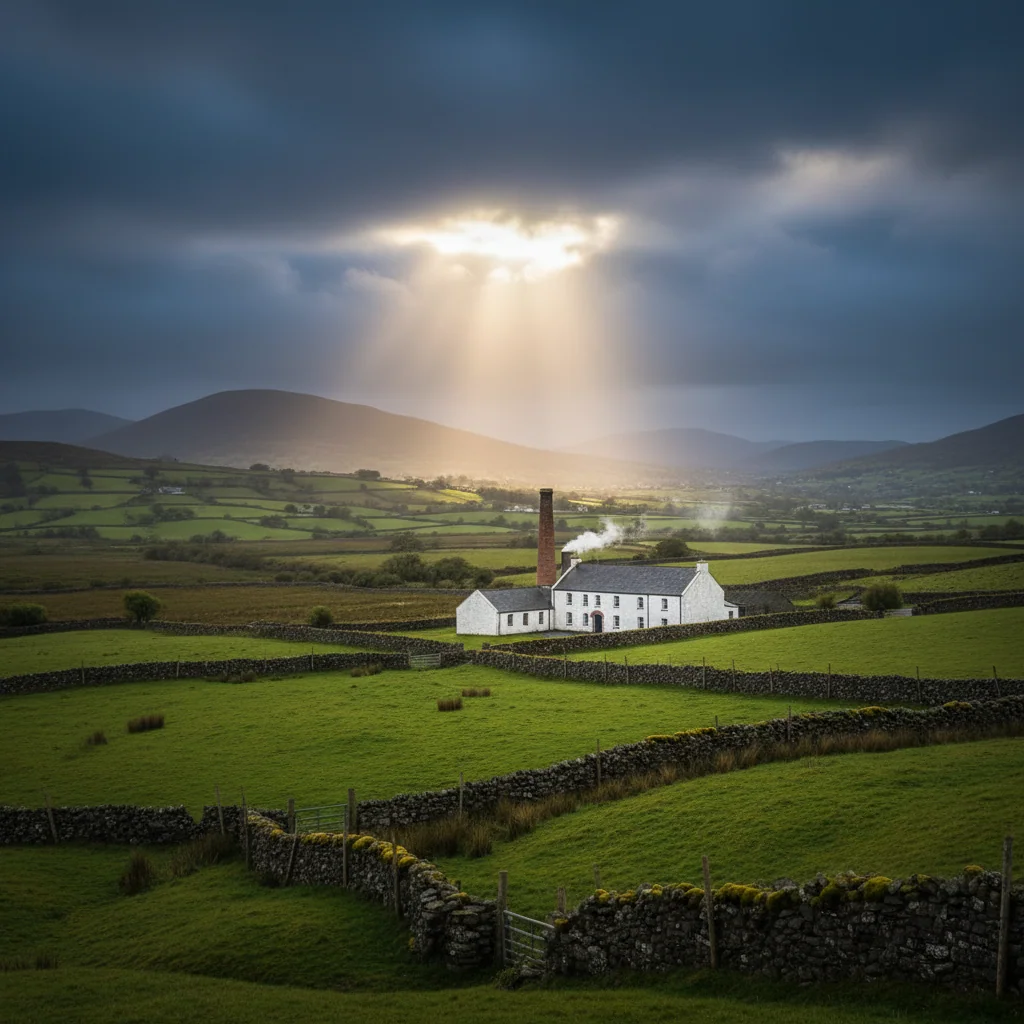
Best Irish Whiskey: 10 Bottles That Aren't Jameson
The Irish whiskey renaissance is real. 10 brilliant bottles from Redbreast to Dingle that prove Ireland is far more than Jameson and a mixer.
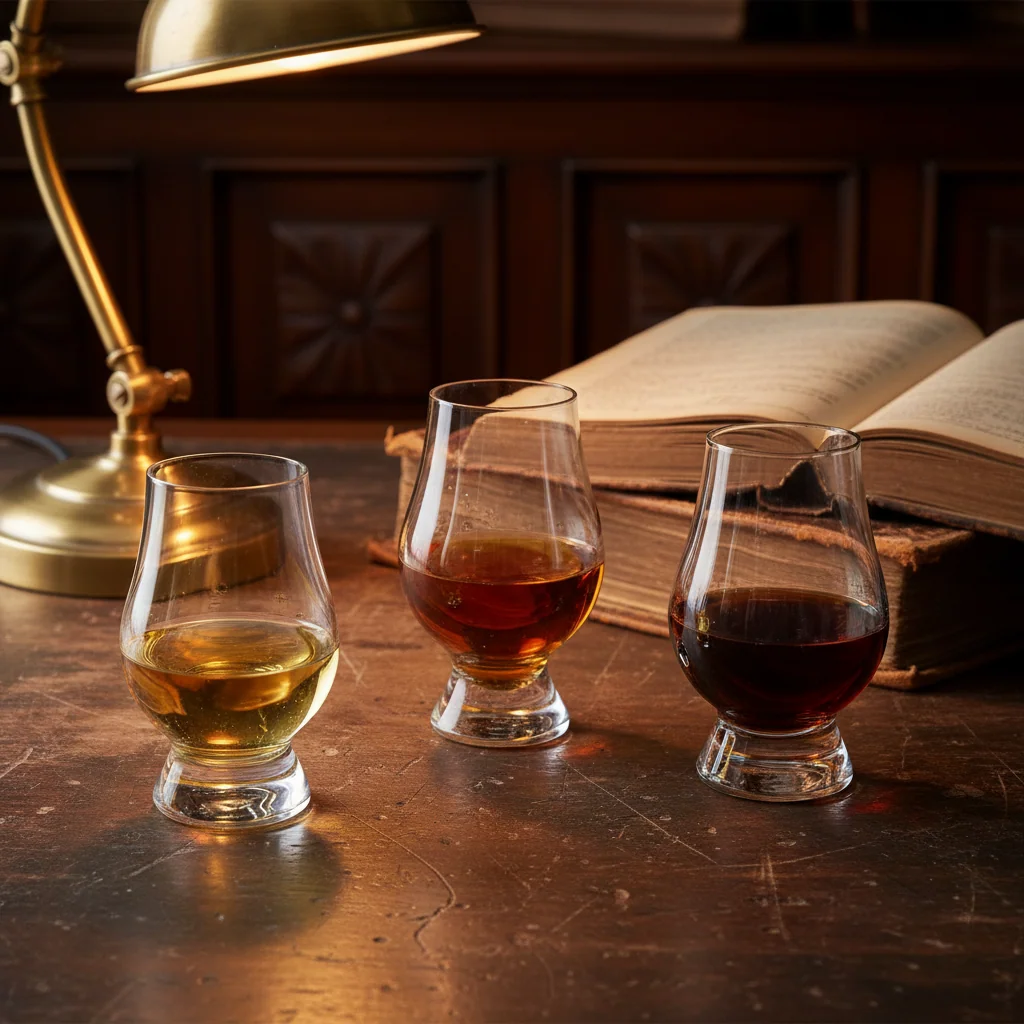
Irish vs Scotch: 5 Head-to-Head Tastings
Five direct matchups between Irish whiskey and Scotch whisky at similar price points. Same glass, same night, honest verdicts.
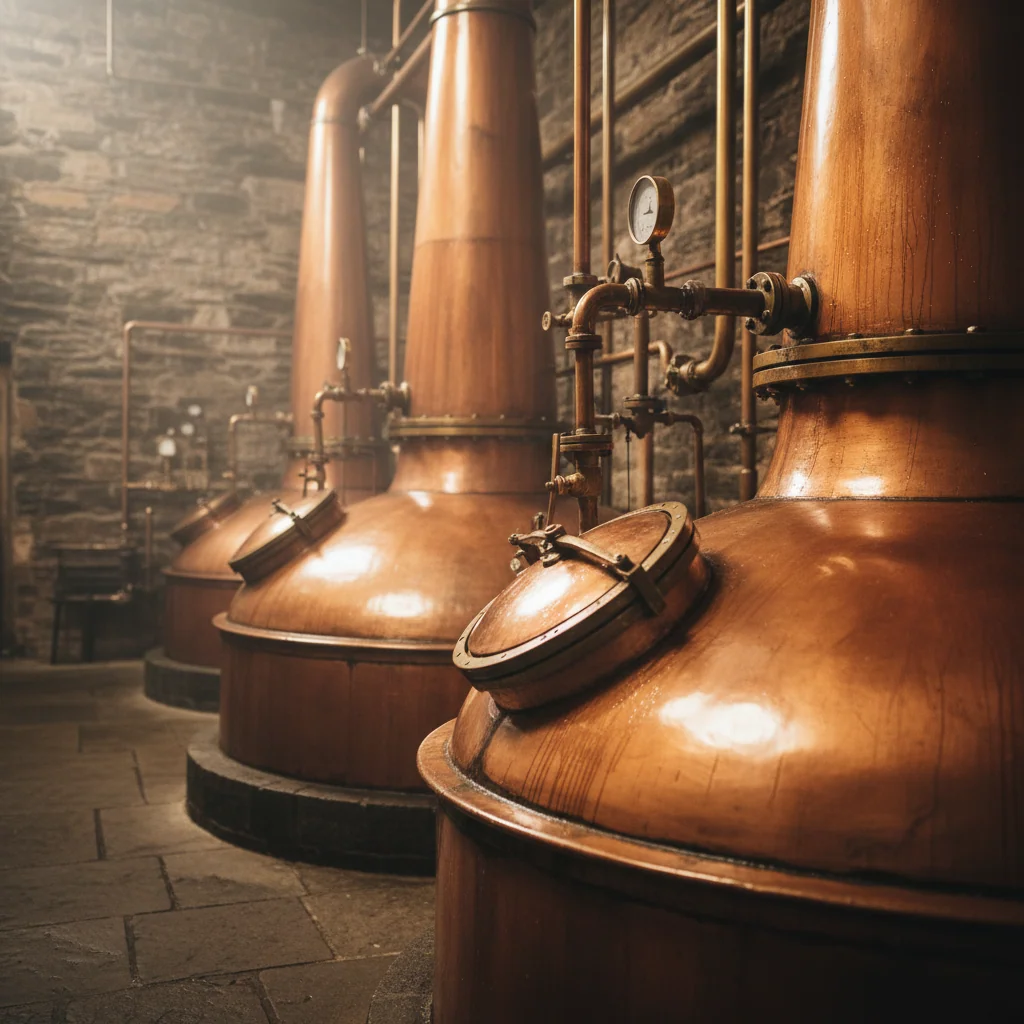
Scotch vs Irish vs Bourbon: What Actually Makes Them Different
The real legal, production, and flavour differences between Scotch, Irish whiskey, and bourbon — not the generic version.
Single Malt vs Blended: The Snobbery Is Wrong
Single malt doesn't mean better. Blended whisky is an art form — and some of the best drams on earth are blends. Time to drop the snobbery.