Whiskey Investment for Beginners: Casks, Bottles, and the Risks No One Mentions
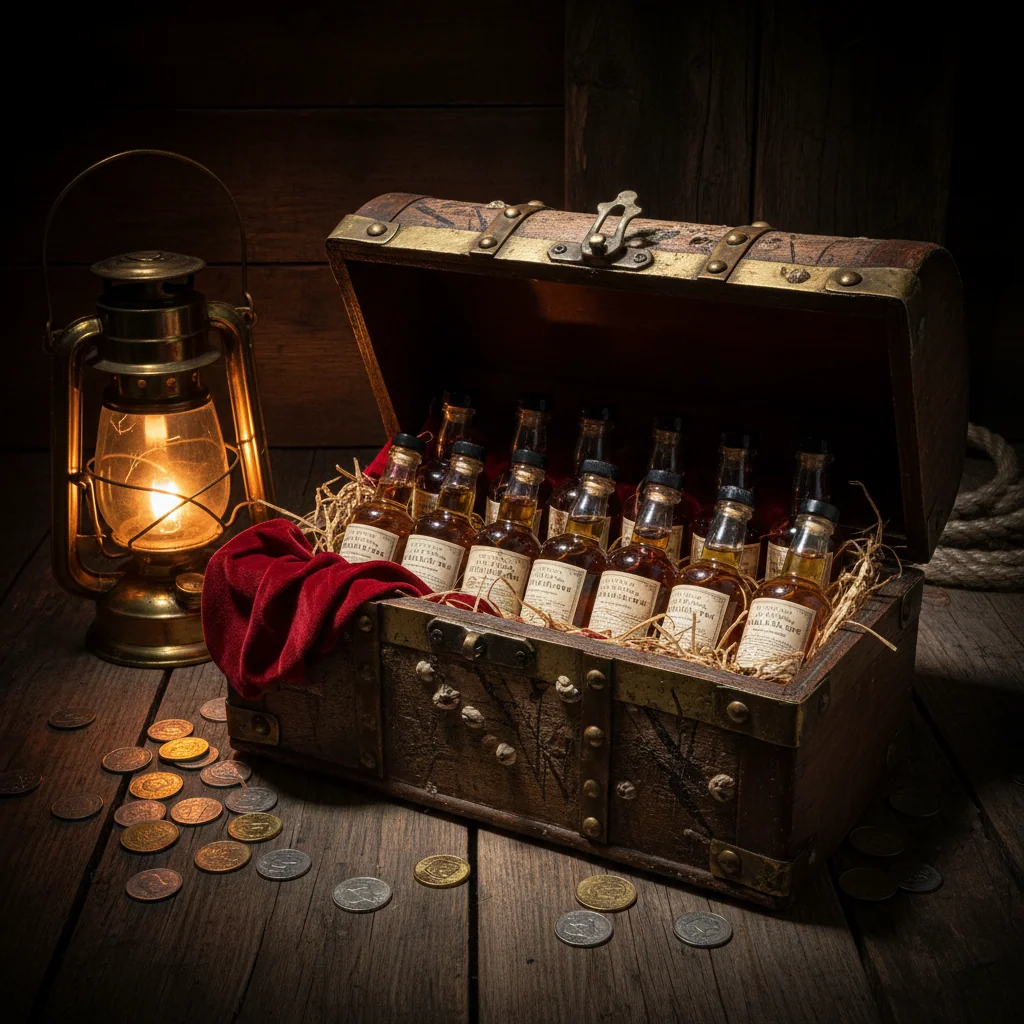
Whisky investment has been sold hard over the past decade. Magazine supplements, LinkedIn ads, and glossy brochures from brokers have painted a picture of amber gold flowing steadily upward, outperforming ISAs, property, and the stock market. Some of that is true. Most of it is selective.
Before you commit any money to whisky as an asset class, you need to understand the full picture — the genuine opportunities, the genuine risks, and the substantial grey area in between.
The Case For Whisky Investment
The headline numbers are genuinely attractive. The Knight Frank Luxury Investment Index has tracked rare whisky as one of the strongest-performing alternative assets over ten and twenty-year periods. Certain auction results — Port Ellen annual releases, Macallan in Lalique, Springbank Local Barley expressions — have appreciated at rates that would make a fund manager blush.
There are structural reasons why this has happened. Whisky supply is physically constrained by maturation time. You cannot create more 1975 Highland Park or more 1982 Brora — those casks exist in finite numbers, and each bottle consumed reduces the total. Against this fixed or declining supply, global demand has grown dramatically as markets in Asia, North America, and developing economies have discovered and embraced Scotch whisky.
Add the romantic narrative around whisky — craft, place, time, tradition — and you have a market with emotional as well as financial drivers. People buy rare whisky because they want it, not just because they expect it to appreciate.
Cask Investment: The High-Stakes Route
Buying a cask of maturing whisky is the most direct form of whisky investment. You own a physical object — a barrel containing hundreds of litres of spirit — sitting in a bonded warehouse somewhere in Scotland.
The appeal is obvious. You're getting the whisky before duty is paid (Scotch duty is substantial — approximately £11.14 per 70cl bottle of a standard expression, per current HMRC alcohol duty rates), and you're hoping the maturation and appreciation over time outweighs your costs.
How Cask Investment Works
- You purchase a new-fill or young cask from a distillery, a broker, or at auction
- The cask matures in a licensed bonded warehouse
- You pay annual storage and insurance fees
- After some years, you either sell the cask (on the secondary market), have it bottled (paying duty and bottling costs), or continue holding
The returns depend on: which distillery, the cask type, the age at purchase, the market at the point of sale, and whether the distillery's reputation has risen or fallen in the interim.
Spiritfilled: A More Transparent Approach
Spiritfilled is a UK-based platform that has tried to bring more transparency to the cask brokerage market. They work with independent bonded warehouses, provide third-party verification of cask contents, offer market pricing data, and have a secondary market mechanism that makes re-selling casks more straightforward than with many operators.
They're not an investment fund — they're a marketplace — and that distinction matters. They can't guarantee returns or liquidity. But they're operating more openly than much of this sector.
If cask investment interests you, platforms like Spiritfilled are worth researching carefully alongside their terms, fees, and track record.
The English Cask Alternative
Spiritfilled's catalogue is Scotch-first. For buyers specifically interested in English whisky casks, Digital Distiller is currently the most active UK broker of private English casks, working with multiple English distilleries to offer casks to enquiring buyers. Pricing is typically more transparent than the Scotch market simply because the English category is too young to have accumulated a speculative resale layer — you're largely buying at production cost plus a modest margin.
The trade-off: English cask secondary-market liquidity is effectively zero. This is a "buy to bottle and enjoy" proposition, not a "buy to flip". We've written it up in full in buying a cask of English whisky.
The Risks You Need to Understand
Fraud is prevalent. The whisky cask investment sector has attracted a significant number of fraudulent operators — companies selling certificates for non-existent casks, overvaluing casks at purchase, or simply disappearing with investor funds. The FCA does not regulate the sale of whisky casks as investments. There is no investor protection scheme. If you lose money to a fraudulent broker, recovering it is extremely difficult.
Illiquidity is real. Whisky casks have no liquid secondary market in the way shares do. Finding a buyer for your specific cask, at a fair price, in a reasonable timeframe is not guaranteed. You may hold a cask for longer than planned simply because no buyer materialises.
Costs compound. Storage runs £100–£200 per cask per year. Insurance is additional. If you eventually bottle, you pay duty at the full retail rate, plus bottling and labelling costs. Broker fees at purchase and sale typically run 10–20%. On a cask purchased for £2,000, these costs can meaningfully reduce your net return.
Quality uncertainty. Not all casks develop into good whisky. Over-oaked spirit, off-notes from poor quality wood, and simple bad luck with fermentation or distillation can result in liquid that commands a discount rather than a premium.
Bottle Investment: The More Accessible Route
Buying rare, limited, or collectible bottles on the secondary market and selling them later is more accessible than cask investment — the market is more transparent, prices are publicly verifiable, and you can start with very small sums.
What Makes Bottles Appreciate
- Closed distilleries: Bottles from Brora, Port Ellen, Rosebank, or Littlemill appreciate because no new stock can be created. Supply decreases as bottles are consumed
- Discontinued expressions: When Hibiki 17 was discontinued, existing bottles immediately became scarcer and more valuable
- Limited releases: Springbank Local Barley, annual festival bottlings, independent single casks in small runs
- High-scoring expressions: Jim Murray's Whisky Bible and major competition results can cause short-term price spikes
Where to Buy and Sell
UK bottle auction houses — Scotch Whisky Auctions, Whisky Hammer, and McTear's — provide transparent price discovery. Whisky Stats aggregates hammer prices across auctions and is an excellent free research tool.
The Honest Return Profile
Most bottles don't appreciate meaningfully. The collector market is concentrated in a small number of highly sought expressions, and for every bottle that triples in value there are dozens that sell for what you paid, or less.
If you're buying bottles primarily to drink them and happen to own some that appreciate, that's a fine outcome. If you're buying purely as an investment vehicle with specific return targets, the illiquidity, storage challenges, and market concentration make it a poor substitute for conventional investment.
Who Whisky Investment Actually Suits
The category works best for: enthusiasts who would enjoy owning the whisky regardless of financial outcome, patient capital with a five-to-fifteen year horizon, and people who have done serious due diligence on the specific operator or bottle they're buying.
It does not work for: anyone using borrowed money, anyone needing liquidity within five years, anyone who hasn't fully accounted for all costs, or anyone relying on broker-produced projections without independent verification.
Read more about the secondary market dynamics in why older doesn't always mean better, and our honest take on collecting versus drinking.
Continue the voyage
Stop Collecting, Start Drinking: Why Open Bottles Beat Sealed Ones
The sealed bottle problem, the collecting trap, and why the best whiskey in the world is the one you actually pour.
Best Whiskey Over £100: When You Want Something Special
8 whiskeys over £100 that are genuinely worth the money — not trophy bottles, but exceptional drams that justify the price in the glass.
When Expensive Whiskey Is a Waste of Money
Diminishing returns, celebrity cash grabs, and overpriced NAS releases — when paying more gets you nothing extra, and when it genuinely does.

UK Whiskey Subscription Boxes: Which One Is Worth It?
An honest review of UK whiskey subscription services — Flaviar, SMWS, Craft Whisky Club, and Digital Distiller. What you get, what it costs, and whether the maths works out.