Campbeltown & the West: Scotland's Forgotten Whisky Coast
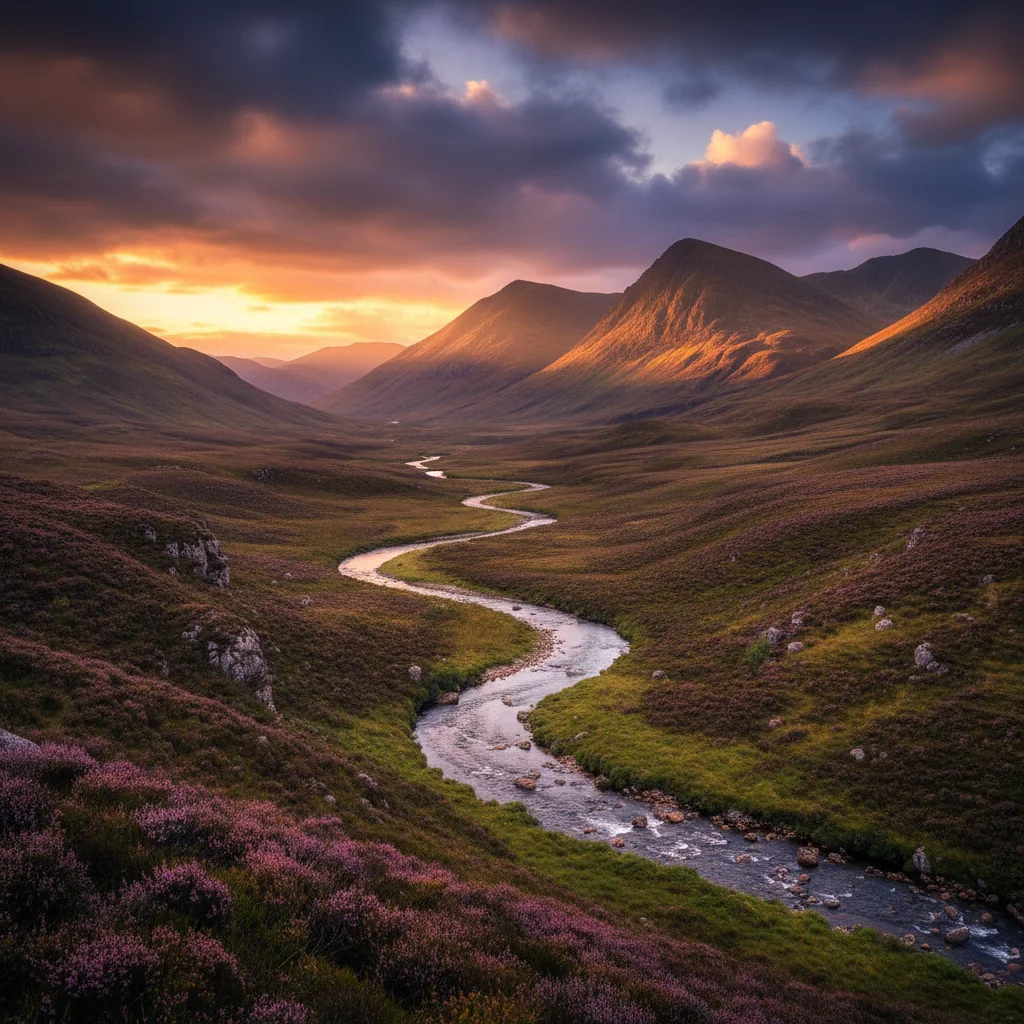
Campbeltown harbour at dusk. Three distillery chimneys against a sky the colour of bruised plums. A trawler idles at the quay and the air carries that particular west-coast blend of salt, kelp, and coal smoke that clings to everything. The town is quiet — it has been quiet for a century — but behind the walls of the remaining distilleries, the stills are running, and the whisky they produce is among the finest in Scotland.
Campbeltown was once the whisky capital of the world. In the 1880s, more than thirty distilleries crowded this small fishing town on the Kintyre peninsula. Overproduction, poor quality, Prohibition in America, and two world wars reduced that number to two. Then three. And there it has stayed — but those three distilleries produce some of the most sought-after single malts in Scotland, and the wider west coast is now adding new names to the map at a rate that would have seemed absurd twenty years ago.
Campbeltown: The Wee Toon
Three distilleries in a small town on a remote peninsula. It should not work as a whisky destination, but it works brilliantly, because all three are exceptional and each is doing something different.
Springbank DistilleryWest ScotlandToursShop is the one that whisky obsessives talk about in reverent tones. It regularly appears on our list of the most underrated distilleries in Scotland — underrated not because it lacks recognition, but because the gap between reputation and the reality of tasting it is still enormous. Founded in 1828 and still owned by the Mitchell family, it is the only distillery in Scotland that handles every stage of production on site — from malting the barley on its own floor maltings to bottling the finished whisky. No other distillery can claim that. They produce three distinct styles from the same site: Springbank (lightly peated, partial triple distillation), Longrow (heavily peated, double distillation), and Hazelburn (unpeated, triple distillation). The 10-year-old Springbank is the core expression and one of the most characterful whiskies in Scotland — salty, oily, complex, and utterly unlike anything from Speyside or the Highlands.
Springbank Distillery
Springbank 10 Year Old
Immediately distinctive: brine, malt, and a hint of peat smoke on the nose. The palate delivers salted caramel, toasted coconut, dried apricot, and a peppery coastal tang that is pure Campbeltown. Oily texture, non-chill-filtered at 46%, with a finish that goes on and on — sea salt, vanilla, and woodsmoke. If you can find a bottle, buy two.
Buy on The Whisky BarrelGlen Scotia DistilleryWest ScotlandToursShop is the underdog, and it knows it. Founded in 1832, it spent decades in Springbank's shadow, changing hands repeatedly and nearly closing for good. Under current ownership it has found its stride, producing maritime-influenced malts that are salty, fruity, and increasingly well-regarded. The Double Cask — first-fill bourbon then Pedro Ximenez sherry — is the entry point, and it outperforms its price by a comfortable margin. The distillery is small, personal, and the tours have an intimacy that the big-name operations cannot match.
The third member of the trio is Glengyle DistilleryWest ScotlandToursShop, which bottles its whisky as Kilkerran (because someone else already trademarked the Glengyle name for blends). Rebuilt in 2004 as a sister project to Springbank, it uses the same water source but different equipment and yeast, producing a style that is cleaner and more mineral than Springbank. The Kilkerran 12 is outstanding — oily, citrusy, and coastal, with a maritime character that tastes like nowhere else.
The Campbeltown Malts Festival in late May is the time to visit if you want exclusive releases and the full experience of a small town that takes its whisky very seriously indeed.
Oban: The Gateway Malt
Oban DistilleryWest ScotlandToursShop is an oddity. A working distillery squeezed into the centre of a busy West Highland harbour town, surrounded by shops, restaurants, and the ferry terminal for the islands. Founded in 1794, it is one of Scotland's oldest, and the town essentially grew up around it. The distillery is tiny — just two stills — which makes it one of the smallest in the Diageo Classic Malts range, and that scarcity is part of its appeal.
Oban Distillery
Oban 14 Year Old
Orange peel, sea salt, and a whiff of smoke on the nose — more coastal than Highland. The palate is medium-bodied with honey, dried fruit, and a distinct maritime mineral quality. A faint peat warmth emerges in the finish alongside toasted oak and a saline tang. It sits in the no-man's-land between Highland and Island styles, which is exactly what makes it interesting.
Buy on The Whisky ShopOban is also the natural jumping-off point for Mull, the Outer Hebrides, and the remote western peninsula where the newest west coast distilleries have set up. If your itinerary includes islands, you will pass through Oban whether you plan to or not.
The Wild West: Ardnamurchan and Morvern
West of Fort William, the roads narrow and the phone signal dies. This is where Scotland's newest distilleries have chosen to build — in places so remote that the logistics of getting barley in and whisky out would have defeated most business plans.
Ardnamurchan DistilleryWest ScotlandToursShop sits on the Ardnamurchan peninsula, the most westerly point on the British mainland. Founded in 2014 by Adelphi, it is powered entirely by renewable energy — a biomass boiler fuelled by local woodchip and a hydroelectric turbine. The distillery produces both peated and unpeated spirit, and the early releases have been superb: clean, complex, and distinctly maritime. The AD/ bottlings (named for the Ardnamurchan/Date format) are already attracting serious collector attention.
A few miles south on the Morvern peninsula, Nc'nean DistilleryWest ScotlandToursShop (say "mick-knee-an") is doing something similar with an even sharper environmental focus. Founded in 2017, it was the first Scottish distillery to achieve net-zero carbon emissions, uses 100% organic Scottish barley, and ships in recycled glass bottles. The whisky is light, fruity, and floral — a style that some have called "modern Highland" — and it has won awards from critics who might have expected gimmick and found substance.
Fort William: Under the Mountain
Ben Nevis DistilleryWest ScotlandTours sits at the foot of Britain's highest mountain and has been making whisky since 1825. Owned by Nikka of Japan since 1989, it produces a robust, slightly waxy Highland malt that is often better known in Tokyo than in London. The 10-year-old is chewy, malty, and full of character, and independent bottlings from the distillery regularly score highly. The Japanese ownership adds a fascinating cross-cultural dimension to the tours.
Planning Your Visit
Getting there: Campbeltown is a three-hour drive from Glasgow via the A82 and A83 — a spectacular road that passes Loch Lomond and the Rest and Be Thankful pass. There is also a small airport with Loganair flights from Glasgow. Oban is about two hours from Glasgow by road or ScotRail train. For those coming from London, the Caledonian Sleeper runs overnight to Glasgow Central, arriving early enough to start the Campbeltown drive in the morning rather than losing half a day on the road. Ardnamurchan and Nc'nean require single-track roads and determination — no shortcut exists, which is rather the point.
How long: Two days for Campbeltown. One day for Oban. One day for Ardnamurchan and Nc'nean if you are based nearby. Ben Nevis is a half-day stop on the Fort William corridor. Budget four to five days for the full west coast run. Many visitors combine this trip with Islay — the CalMac ferry departs from Kennacraig, which sits on the A83 about halfway between Glasgow and Campbeltown. The Islay pilgrimage guide has full logistics if you want to extend the route.
Best time: May to September. The Campbeltown Malts Festival (late May) is the premier event. Autumn can be stunning but the days are short and the single-track roads demand daylight.
Getting around: You need a car. There is no realistic alternative for the remote distilleries. The A83 and A828 are among Scotland's finest driving roads, which helps.
Where to stay: Campbeltown has the Royal Hotel and several B&Bs. Oban has more options. For Ardnamurchan, Strontian and Kilchoan are the nearest villages. Fort William has plenty of accommodation of all types.
Explore the entire west coast whisky map in the Chart Room.
Continue the voyage
The Islay Pilgrimage: Every Distillery on Whisky's Wildest Island
All 12 active distilleries on Islay mapped and profiled — from Ardbeg's peat thunder to Bunnahabhain's unpeated elegance.
Island Hopping: Skye, Mull, Arran, Jura and Beyond
Scotland's island distilleries beyond Islay — from Talisker's peppery heat on Skye to Arran's citrus orchards and Jura's lonely single malt. A working guide to every non-Islay island whisky worth visiting.
North Highland & Orkney: Where Whisky Meets the Arctic
20 distilleries along Scotland's wild north coast and out to Orkney — from Old Pulteney's harbourside stills to Highland Park's heather peat.