Island Hopping: Skye, Mull, Arran, Jura and Beyond
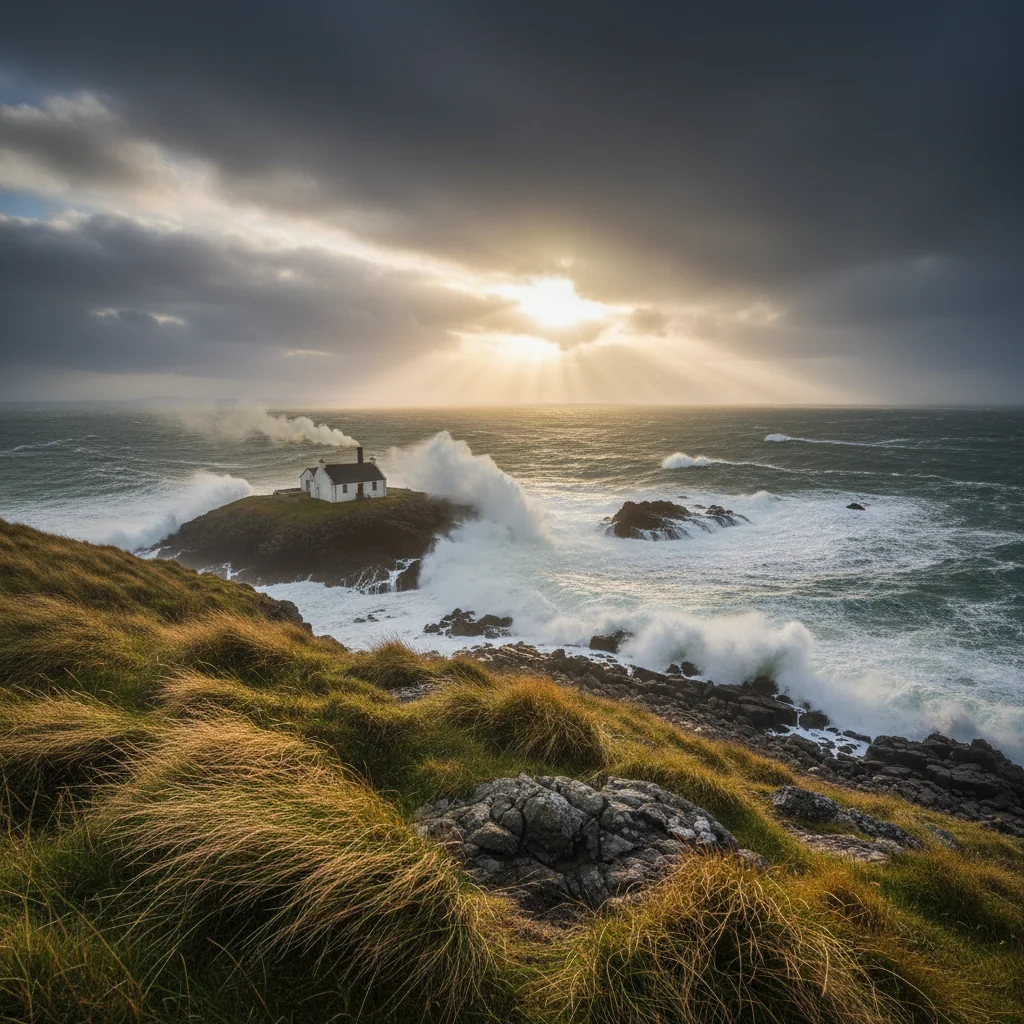
The deck of the Skye ferry pitches as the Cuillin ridge slides into view — black gabbro teeth against a sky the colour of old pewter. Somewhere below those mountains, copper pot stills are running. The air is salt and diesel and wet bracken, and the cloud sits on the hills like smoke from a kiln that never goes out.
Islay gets the headlines. Fair enough — twelve distilleries on one island is hard to argue with. (If Islay is your destination rather than a ferry stop, the Islay pilgrimage guide covers all twelve distilleries in detail.) But Scotland's other islands make whisky too, and the range of character across them is staggering. Talisker's volcanic pepper on Skye. Tobermory's waxy, coastal spirit on Mull. Jura's dry, piney isolation. Arran's improbable fruitiness on an island better known for rain and granite. Each one shaped by its own water, its own microclimate, its own stubborn refusal to be anywhere convenient.
Skye: Fire and Pepper
Talisker DistilleryScottish IslandsTours is the anchor. Founded in 1830 at Carbost on the western shore of Skye, it has had nearly two centuries to figure out what it does, and what it does is pepper. See our Talisker vs Highland Park head-to-head if you want to understand how these two island giants compare before you visit both. Not black pepper from a grinder — something more elemental. Volcanic rock, sea spray, chilli flakes, woodsmoke. The 10-year-old is a Classic Malt and justifiably so: it hits harder than its 45.8% ABV suggests, with a maritime warmth that builds across the palate and a finish that crackles like hot gravel.
Talisker Distillery
Talisker 10 Year Old
Immediate hit of black pepper, sea salt, and woodsmoke. The palate opens into dried seaweed, smoked malt, and a surprising sweetness — honey and pear under all that coastal intensity. The finish is long, warming, and peppery with a mineral edge like wet slate. Utterly distinctive.
Buy on The Whisky ShopThe tours at Talisker are well-run and consistently busy — book ahead in summer. The distillery sits right on the loch shore and the setting alone is worth the drive from Portree.
At the other end of Skye, Torabhaig DistilleryScottish IslandsToursShop has been quietly building a reputation since its first spirit flowed in 2017. Housed in a converted nineteenth-century farmstead at Teangue on the Sleat peninsula, it makes peated malt that is distinctly different from Talisker — more restrained, more coastal, less volcanic. The Allt Gleann and Legacy Series bottlings have impressed critics who expected a novelty and found a proper distillery instead.
Mull: The Painted Town
Tobermory DistilleryScottish IslandsToursShop sits in one of Scotland's most photographed harbours — the multicoloured waterfront of Tobermory village on the Isle of Mull. Founded in 1798, it produces two distinct identities from the same stills. Under the Tobermory name, you get unpeated spirit: waxy, slightly briny, with a nutty character that is immediately recognisable. Switch to peated malt and it becomes Ledaig (say "led-chig") — oily, smoky, medicinal, and a cult favourite among peat enthusiasts who have already drunk everything Islay has to offer.
The distillery is small, central, and walkable from the ferry terminal. Mull itself is worth the trip for the wildlife alone — sea eagles, otters, and the kind of empty single-track roads where you stop the car because a Highland cow is standing in the middle of it, chewing, staring, completely unbothered.
Jura: One Island, One Distillery, One Road
Jura DistilleryScottish IslandsToursShop is accessible only by a short ferry from Islay — which means most visitors combine the two. The island has one road, one village (Craighouse), one pub, one shop, and one distillery. Also roughly 6,000 deer and about 200 people. George Orwell wrote Nineteen Eighty-Four here, presumably because the isolation drove him to imagine worse ones.
Jura whisky is lighter and drier than its Islay neighbours. The 10-year-old is piney, slightly honeyed, and more Highland than island in character. The Seven Wood expression layers seven different oak types for a richer, spicier result. The distillery tour is relaxed, personal, and rarely crowded — because getting here requires a ferry, then another ferry, then a willingness to accept that you are now on an island with one road.
Arran: Two Distilleries, Two Personalities
The Isle of Arran punches above its weight. Lochranza Distillery (Arran)Scottish IslandsToursShop opened in 1995 at the north end of the island and quickly established a reputation for bright, fruity, citrusy malts that feel completely at odds with the grey skies and horizontal rain outside the windows. The Arran 10 is one of Scotland's great value single malts — clean, honest, and bursting with green apple and vanilla.
Lochranza Distillery (Arran)
Arran 10 Year Old
Bright and clean with green apple, vanilla, and honeysuckle on the nose. The palate delivers citrus peel, toasted almonds, and a gentle cinnamon spice. Non-chill-filtered at 46%, giving it a satisfying weight without losing any of that characteristic Arran freshness. The finish is medium, dry, and gently malty.
Buy on The Whisky ShopIn 2019, Lagg DistilleryScottish IslandsToursShop opened at the island's southern tip to produce exclusively peated malt — Arran's smoky alter ego. Early releases have shown a maritime, earthy peat character quite different from Islay's medicinal approach. Between the two distilleries, Arran now covers both ends of the flavour spectrum, and you can drive between them in about forty minutes on roads that wind through some of Scotland's most underrated scenery.
The Small Isles and Outer Hebrides
Isle of Raasay DistilleryScottish IslandsToursShop sits on a tiny island between Skye and the mainland, reachable by a short CalMac ferry from Sconser. The distillery opened in 2017 and produces a single malt that already shows real character — fruity, slightly smoky, with an unusual use of Chinkapin oak and Bordeaux red wine casks. The luxury bothies on site make this one of the few distilleries where you can sleep within staggering distance of the stills.
Further north and west, the Outer Hebrides are building their own whisky identity. Isle of Harris DistilleryScottish IslandsToursShop on the Isle of Harris became famous first for its sugar-kelp gin, but The Hearach — their first single malt, released in 2023 — announced serious whisky intentions. On Lewis, Abhainn Dearg DistilleryScottish IslandsTours (meaning "Red River" in Gaelic) holds the title of Scotland's most westerly distillery, producing small-batch single malt since 2008 in what feels like the edge of the world.
And on Benbecula, between North and South Uist, Benbecula DistilleryScottish IslandsToursShop produced its first spirit in June 2024 using local bere barley, peat, and heather. The Outer Hebrides whisky map is filling in, and in ten years these will be the bottles collectors wish they had bought early.
Planning Your Visit
Getting there: Every island requires at least one ferry. CalMac operates most routes — all bookable at calmac.co.uk well ahead of travel, particularly in summer. Skye is accessible by road bridge from Kyle of Lochalsh. Arran ferries run from Ardrossan (Ayrshire). Mull from Oban. Jura requires going via Islay's Port Askaig — a short, scenic hop. Raasay from Sconser on Skye. Harris and Lewis from Ullapool or Uig on Skye. If you are travelling from London and want to reach Skye or the north without flying, the Caledonian Sleeper runs overnight from Euston to Inverness, arriving in time for a morning drive to the Kyle of Lochalsh road bridge. That is a ferry-free start that sets the tone for the island-hopping to follow.
How long: A proper island-hopping distillery tour needs a week minimum. Skye and Raasay can fill two days, Mull one or two, Arran two, Jura a day trip from Islay. The Outer Hebrides demand three days at least.
Best time: May to September for longer daylight and calmer seas, though "calm" is relative in the Hebrides. Shoulder months (May, September) are quieter and cheaper.
Getting around: You need a car for every island except possibly Tobermory, which is walkable from the ferry. Single-track roads, passing places, and livestock on the tarmac are standard. Drive slowly, wave at oncoming vehicles, and do not honk at sheep.
Where to stay: Arran has the most accommodation options. Skye is well-served but books up fast. Raasay's distillery bothies are the premium choice. Jura has the Jura Hotel and not much else — which is rather the point.
See all Scottish island distilleries mapped and filterable in the Chart Room.
Continue the voyage
The Islay Pilgrimage: Every Distillery on Whisky's Wildest Island
All 12 active distilleries on Islay mapped and profiled — from Ardbeg's peat thunder to Bunnahabhain's unpeated elegance.
North Highland & Orkney: Where Whisky Meets the Arctic
20 distilleries along Scotland's wild north coast and out to Orkney — from Old Pulteney's harbourside stills to Highland Park's heather peat.
Campbeltown & the West: Scotland's Forgotten Whisky Coast
Campbeltown's legendary trio, Oban's town-centre Classic Malt, and the wild new distilleries of Ardnamurchan and Morvern — Scotland's western coast is whisky's best-kept open secret.