Decoding a Whiskey Label: What It All Means
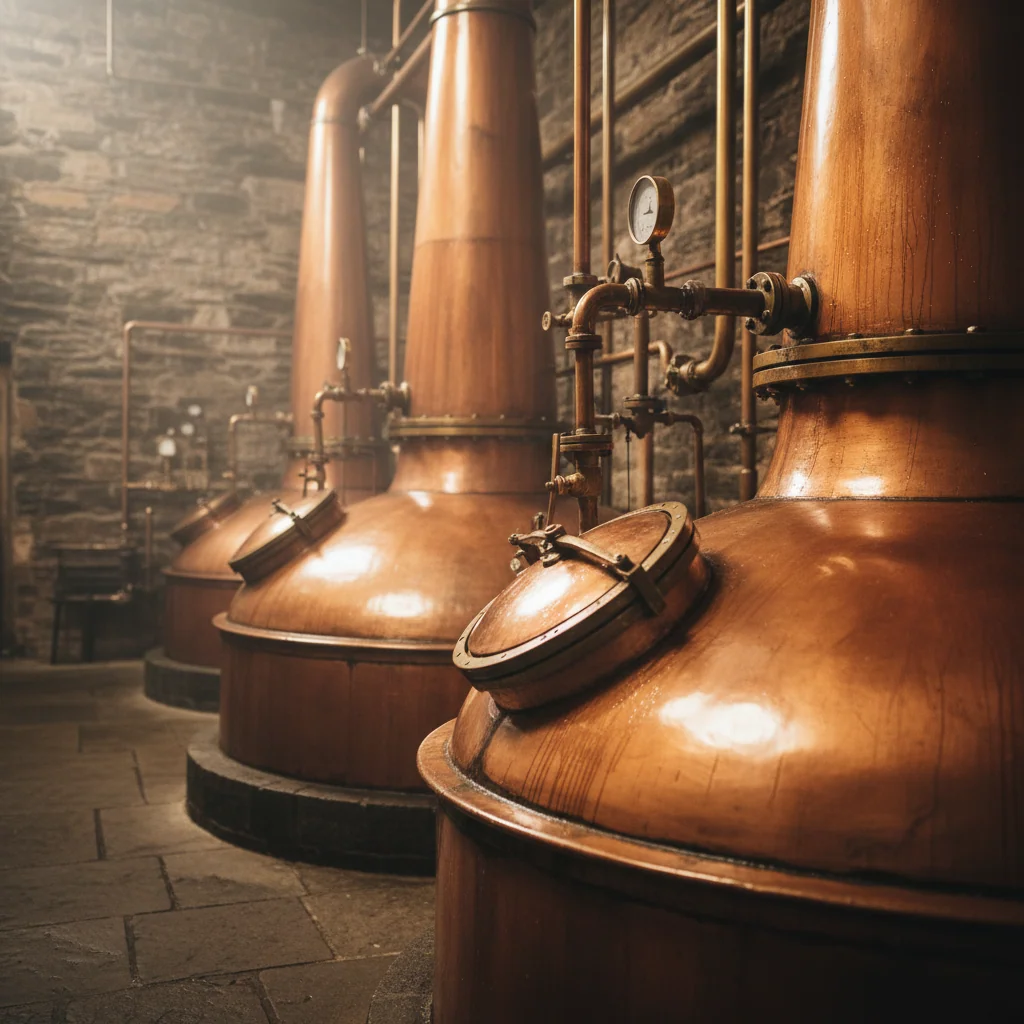
The navigator pulled a bottle from his coat, label forward, and asked me to read it. "Speyside Single Malt Scotch Whisky, aged 15 years, natural colour, non-chill-filtered, cask strength, 58.3% ABV, bottled by an independent bottler from a single hogshead." Every word meant something specific. He wanted to know if I knew what. I did not. That was the night the education started.
A whiskey label is a compressed data sheet. Every term, every number, every piece of small print tells you something about what is in the bottle — how it was made, where it came from, how long it matured, and what was (or was not) done to it before bottling. The problem is that nobody explains what any of it means, so most people just look at the picture and the price. Here is the decoder ring.
The Type: What Kind of Whiskey Is It?
These are the legal categories. They are not quality rankings — they are production methods.
Single Malt Scotch Whisky: Made at one distillery, from 100% malted barley, in pot stills, aged at least three years in oak casks in Scotland. "Single" means one distillery. It does not mean one cask, one batch, or anything about quality. A bottle of single malt is typically a blend of dozens or hundreds of casks from that distillery.
Blended Malt Scotch Whisky: Malt whiskies from two or more distilleries, blended together. No grain whisky. Monkey Shoulder and Johnnie Walker Green Label are blended malts.
Blended Scotch Whisky: A combination of malt whisky and grain whisky from multiple distilleries. This is the largest category in Scotch — Johnnie Walker, Chivas Regal, Famous Grouse all live here.
Single Grain Scotch Whisky: Made at one distillery, but from grains other than (or in addition to) malted barley, and typically in column stills rather than pot stills. Lighter, sweeter, and often underrated.
Single Pot Still Irish Whiskey: Unique to Ireland. Made from a mix of malted and unmalted barley in pot stills at a single distillery. Redbreast is the classic example. The unmalted barley gives a distinctive creamy, spicy character.
The bourbon difference
American bourbon has its own rules: at least 51% corn, aged in new charred oak barrels, distilled to no more than 160 proof. If a bottle says "straight bourbon," it has been aged at least two years (four years if there is no age statement on the label). Tennessee whiskey follows the same rules but adds charcoal filtering before ageing — the "Lincoln County Process."
The Age Statement
The number on the bottle is the age of the youngest whisky in the blend. A "12 Year Old" might contain whisky that is 12, 15, 18, and 25 years old — the distiller only has to declare the youngest component.
This means a bottle with no age statement (NAS) is not hiding something shameful. Many NAS whiskies contain a mix of young and very old casks, chosen for flavour rather than age. The distiller calculated that putting "7 years old" on the bottle (because one component was 7) would undersell a whisky that also contained 20-year-old casks. The age statement tells you something, but it does not tell you everything.
ABV: Alcohol by Volume
Standard bottling strength in the UK is 40% ABV — the legal minimum for Scotch. Many distilleries bottle at 43% or 46%, which tends to retain more flavour.
Cask strength (sometimes called "barrel proof") means the whisky was bottled at whatever strength it came out of the cask — typically between 55% and 65% ABV. No water was added to reduce the strength. This gives you the whisky in its most concentrated form and lets you add your own water to find the strength you prefer.
Cask strength caution
Cask strength whiskies are significantly more alcoholic than standard bottlings. A 60% ABV dram is 50% stronger than a 40% ABV dram. Approach them slowly, add water gradually, and do not treat them like a standard pour. Your nose and throat will thank you.
Natural Colour
Most Scotch whisky contains E150a — a caramel colouring agent added to ensure batch-to-batch colour consistency. It does not significantly affect flavour, but it does mean that golden colour might owe more to chemistry than cask time.
If a label says "natural colour" or "no colour added," it means the colour comes entirely from the cask. This is a signal that the producer is prioritising transparency. The whisky in your glass is the colour the oak made it — pale gold from bourbon casks, amber from sherry, deep mahogany from Pedro Ximenez.
Non-Chill-Filtered
When whisky is cooled below about 4 degrees Celsius, certain fatty acids and proteins clump together and make the liquid look hazy or cloudy. This is cosmetic — it does not affect safety or significantly alter flavour. But it looks a bit odd in the glass, so most large producers chill-filter their whisky to remove these compounds before bottling.
Non-chill-filtered (NCF) means those compounds were left in. Many enthusiasts believe this preserves body, texture, and mouthfeel. Whether you can taste the difference is debated, but "non-chill-filtered" on a label signals a producer who is willing to accept a slight cosmetic imperfection in exchange for an unmodified product.
The cold water test
If you add cold water or ice to a non-chill-filtered whisky, it may go slightly cloudy. This is not a fault — it is proof that the whisky has not been stripped. The haze clears as the drink warms up.
Distillery vs Bottler
Here is something that catches many people out: the company whose name is on the front of the bottle is not always the company that made the whisky.
Official bottlings (OBs) are released by the distillery or its parent company. Glenfiddich 12, Laphroaig 10, Talisker Storm — these are official bottlings where the distillery controlled everything from production to bottling.
Independent bottlings (IBs) are released by separate companies who bought casks from distilleries and bottled the whisky themselves. Gordon & MacPhail, Signatory Vintage, Douglas Laing, and Cadenhead's are major independent bottlers. An IB of a well-known distillery might taste completely different from the official bottling — different cask, different age, different strength, no blending.
Look for small print like "Distilled at [distillery name]" or "Bottled by [company name]" to understand who made it and who bottled it. The distinction matters because an independent bottler's selection of a single cask can offer a completely different perspective on a distillery's spirit.
Batch and Cask Numbers
Batch number: Tells you which batching run the bottle came from. Different batches of the same expression can vary — some whisky enthusiasts actively seek out specific batch numbers known to be particularly good.
Cask number: On single-cask bottlings, this identifies the exact barrel. Combined with the cask type (ex-bourbon hogshead, first-fill sherry butt, etc.), it gives you granular detail about what shaped the whisky.
Outturn: Often listed on single-cask bottlings — "274 bottles" or similar. This tells you how many bottles came from that cask. Lower numbers mean a smaller, rarer release.
Region
On Scotch, you will often see regional designations: Speyside, Highland, Islay, Lowland, Campbeltown, Islands. These are geographical indicators, not flavour guarantees — there is more variation within Speyside than between Speyside and Highland averages. But they give you a rough compass bearing. Islay usually means peat. Speyside usually means fruit and sweetness. Campbeltown usually means funk and salt.
Putting It All Together
Next time you pick up a bottle, read the label like a sentence:
"Glenfaraway, Single Malt Scotch Whisky, Highland, aged 14 years, non-chill-filtered, natural colour, 46% ABV, matured in first-fill Oloroso sherry butts."
That sentence tells you: one distillery, malted barley only, made in the Highlands, youngest component is 14 years old, no cosmetic treatments, bottled slightly above standard strength for better flavour, and the cask will have given it dried fruit and spice.
You now know what you are buying before you taste a drop. The label told you everything. You just needed to know how to read it.
Continue the voyage
Single Malt vs Blended: The Snobbery Is Wrong
Single malt doesn't mean better. Blended whisky is an art form — and some of the best drams on earth are blends. Time to drop the snobbery.
Age Statements: Why Older Doesn't Always Mean Better
A 12-year-old can outdrink a 25-year-old. Age statements are useful data, not quality guarantees — here's what they actually tell you.
Sherry, Bourbon, Port: How the Cask Shapes Your Dram
Bourbon casks give vanilla, sherry casks give dried fruit, port casks give berry — here's how to read the wood behind your whisky.
Independent Bottlers: What They Are and Why They Matter
Independent bottlers buy casks from distilleries and bottle them on their own terms. Here's why they matter — and why some of their releases outshine the originals.