Independent Bottlers: What They Are and Why They Matter
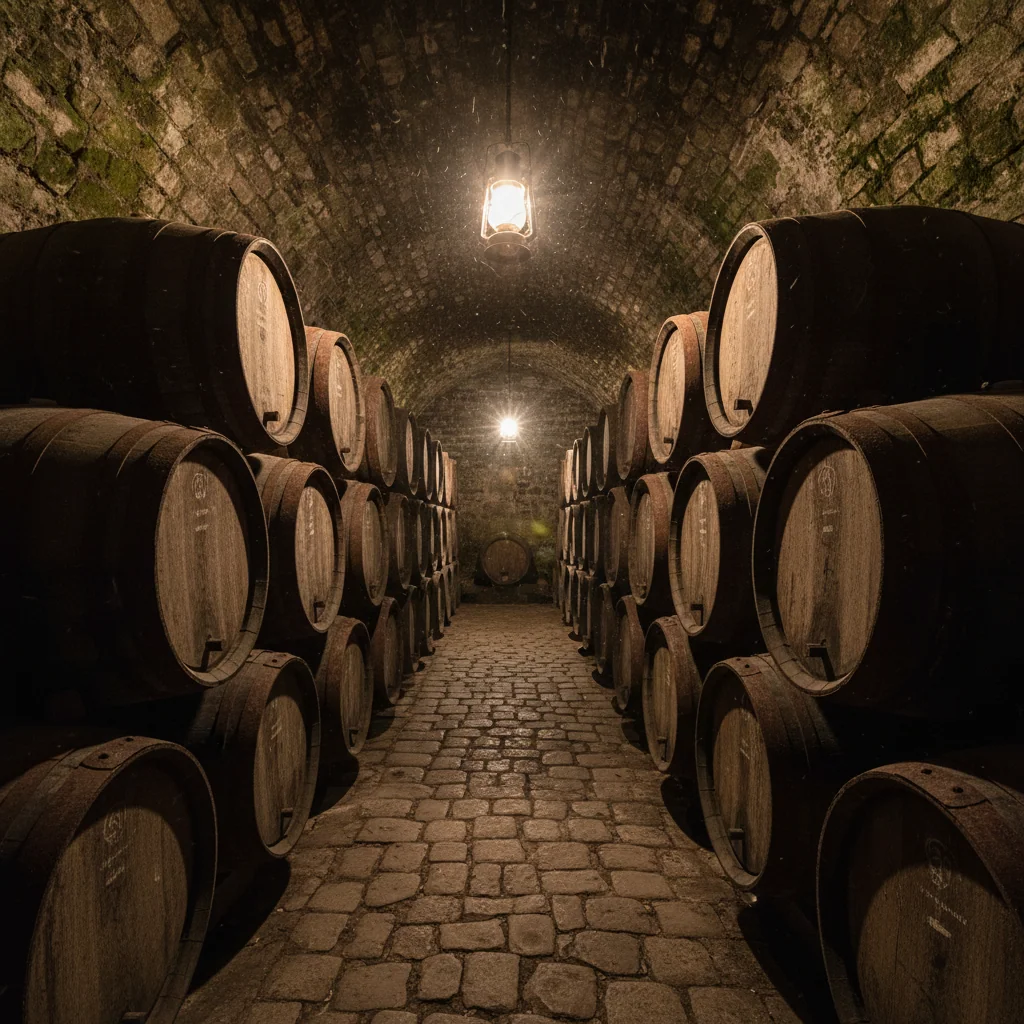
The quartermaster came aboard carrying two bottles from the same distillery, same year, same age. One was the official release. The other bore a name I did not recognise — some outfit in Edinburgh who had apparently bought a single cask and bottled it themselves. We tasted them side by side. They were not the same whisky. Not even close. Same spirit, different cask, different decisions, different result. That was the night the word "independent" started meaning something.
Independent bottlers are the whisky world's most important secret. They buy casks directly from distilleries, mature them in their own warehouses (or leave them where they are), and bottle the whisky under their own label — often at cask strength, without chill-filtration, and without colouring. The result is whisky that the distillery itself would never release: single casks with unusual character, older expressions than the distillery currently offers, or simply a different perspective on a familiar spirit.
How Independent Bottling Works
A distillery produces spirit and fills it into casks. Most of those casks will end up in the distillery's own bottlings — their core range, limited editions, and special releases. But distilleries also sell casks to brokers and independent bottlers, either because they need cash flow, because they have more stock than they need, or because the cask does not fit their house style.
The independent bottler takes that cask and makes their own decisions. They choose when to bottle it (maybe earlier, maybe later than the distillery would). They choose the bottling strength (often cask strength rather than diluted to 40%). They decide whether to chill-filter or add colour (most do not). And they present the whisky as a single-cask release — one barrel, a few hundred bottles, each one unique.
This means an independent bottling of, say, a Highland malt can taste completely different from the distillery's official 12 Year Old. Different cask type, different warehouse position, different years of maturation, different bottling philosophy. Neither is "the real version." They are two valid interpretations of the same distillery's spirit.
Why distilleries sell casks
Whisky sits in casks for years before generating any revenue. Selling casks to independent bottlers provides immediate income. Some distilleries sell enthusiastically; others are more protective of their stock. A few — Macallan and Glenfarclas among them — have largely stopped selling to independents, making existing IB releases of those distilleries increasingly rare and valuable.
The Major Independent Bottlers
Gordon & MacPhailSpeysideToursShop
The grandparent of independent bottling. Founded in Elgin in 1895, Gordon & MacPhail have been buying and maturing casks for over a century. Their warehouses contain some of the oldest whisky in existence — they have bottled 70-year-old single malts that the distilleries themselves could never release because they simply do not have stock that old.
Their "Connoisseurs Choice" range is a brilliant way to explore distilleries you might never otherwise encounter. They also recently opened their own distillery, The Cairn, designed to lay down spirit for future generations. The long view, taken literally.
Cadenhead's Whisky ShopCentral ScotlandToursShop
Scotland's oldest independent bottler, established in 1842. Now based in Campbeltown and run by the team behind Springbank, Cadenhead's have a reputation for no-nonsense bottling: cask strength, no colouring, no chill-filtration, minimal intervention. Their shop in Campbeltown and outlets in Edinburgh and London are pilgrimage sites for whisky enthusiasts.
Cadenhead's releases tend to be small-batch or single-cask, and they move fast. If you see one you fancy, buy it — it will not be there next month.
Signatory VintageCentral ScotlandToursShop
Founded in 1988 by Andrew Symington, Signatory Vintage has become one of the most prolific independent bottlers in Scotland. Their range is enormous — from the affordable "Vintage" series to the premium "Cask Strength Collection." Signatory now also owns Edradour, one of Scotland's smallest distilleries.
Signatory is often the best-value entry point into independent bottling. Their standard releases are well-selected, fairly priced, and widely available.
Douglas Laing & CoCentral ScotlandShop
A Glasgow-based family business specialising in characterful, often bold bottlings. Their ranges — Old Particular, Provenance, Big Peat, Rock Oyster, Scallywag — each have a distinct identity. Douglas Laing tend to favour whiskies with personality over polish, which makes their catalogue particularly interesting for anyone who likes whisky with rough edges and big flavour.
They also own Clutha and Strathearn distilleries, bridging the gap between independent bottling and distillery ownership.
Berry Bros. & RuddSouth East EnglandShop
Berry Bros. & Rudd have been wine and spirit merchants since 1698 — they have been in business longer than most distilleries have existed. Based at 3 St James's Street in London, they bring a wine merchant's palate to whisky selection, and it shows. Their releases tend to be elegant and refined, with careful cask selection that emphasises balance over brute force.
Their "Blue Hanger" blended malt is a cult favourite, and their single-cask releases are consistently excellent.
The Scotch Malt Whisky Society (SMWS)
The SMWS is a members-only bottler with a twist: they never name the distillery on the label. Instead, each distillery gets a code number, and each bottling gets a sequential release number. So "29.345" means the 345th bottling from distillery number 29 (which happens to be Laphroaig, but the label will not tell you that).
The bottles are identified by creative, often bizarre tasting-note titles — "Smoke Signals from a Fruit Market" or "A Pirate's Picnic." It sounds gimmicky, but the selection is outstanding. The SMWS has access to extraordinary casks and their tasting panel is rigorous. Membership gives you access to bottlings you genuinely cannot get anywhere else, plus tasting rooms in Edinburgh, London, and several other cities.
Cracking the SMWS codes
SMWS distillery codes are an open secret. Number 1 is Glenfarclas, 29 is Laphroaig, 37 is Cragganmore, 76 is Mortlach. There are lists online that decode all of them. Half the fun is figuring out what you are drinking before checking.
Why Independent Bottlings Matter
Independent bottlers serve several crucial functions in the whisky world:
Preservation: They bottle whisky from distilleries that have closed. Want to taste spirit from Port Ellen, Brora, or Rosebank before they reopened? Independent bottlers are your only option for the original era spirit.
Transparency: Most IBs bottle at cask strength, without chill-filtration or colouring. You get the whisky as it came from the barrel, with nothing added and nothing removed.
Diversity: A distillery's official range shows you what the brand wants you to taste. Independent bottlers show you what the spirit can do when someone else makes the decisions. A sherry cask official bottling from distillery X might be their house style — but an IB might release the same distillery's spirit from a bourbon cask, or at a different age, revealing a completely different side.
Accessibility: Some distilleries are almost impossible to buy at retail — Springbank, Brora, Port Charlotte at older ages. Independent bottlers sometimes have stock of these distilleries available when the official releases sell out in minutes.
Not all IBs are equal
Independent bottling is uneven. The major names above have earned their reputations through decades of careful cask selection. But smaller, less established bottlers can be hit-and-miss. A single cask is a single cask — if the wood was tired or the spirit was off, no amount of nice label design fixes it. Stick to reputable bottlers until you know what you are looking for.
How to Start Exploring
The easiest entry point is Signatory's range — widely available, well-priced, and consistently solid. Pick a distillery you already know and like, then try the Signatory version alongside the official bottling. The comparison will teach you more about cask influence and bottling decisions than any article could.
From there, work outward. A Gordon & MacPhail Connoisseurs Choice release. A Cadenhead's cask-strength bottling. A Douglas Laing Old Particular. Each bottler has a house philosophy, and you will develop preferences.
If you get serious, SMWS membership is worth considering — the monthly bottling list is like a treasure map, and the tasting rooms are some of the best whisky experiences in the UK.
The official bottling shows you what the distillery wants to say. The independent bottling shows you what the cask wanted to say. Often, the cask has the better story.
Continue the voyage
Decoding a Whiskey Label: What It All Means
Single malt, cask strength, non-chill-filtered — every term on a whiskey label explained in plain English, so you know what you're buying.
Sherry, Bourbon, Port: How the Cask Shapes Your Dram
Bourbon casks give vanilla, sherry casks give dried fruit, port casks give berry — here's how to read the wood behind your whisky.
Age Statements: Why Older Doesn't Always Mean Better
A 12-year-old can outdrink a 25-year-old. Age statements are useful data, not quality guarantees — here's what they actually tell you.
Single Malt vs Blended: The Snobbery Is Wrong
Single malt doesn't mean better. Blended whisky is an art form — and some of the best drams on earth are blends. Time to drop the snobbery.