E150a: The Caramel Colouring Debate in Scotch Whisky
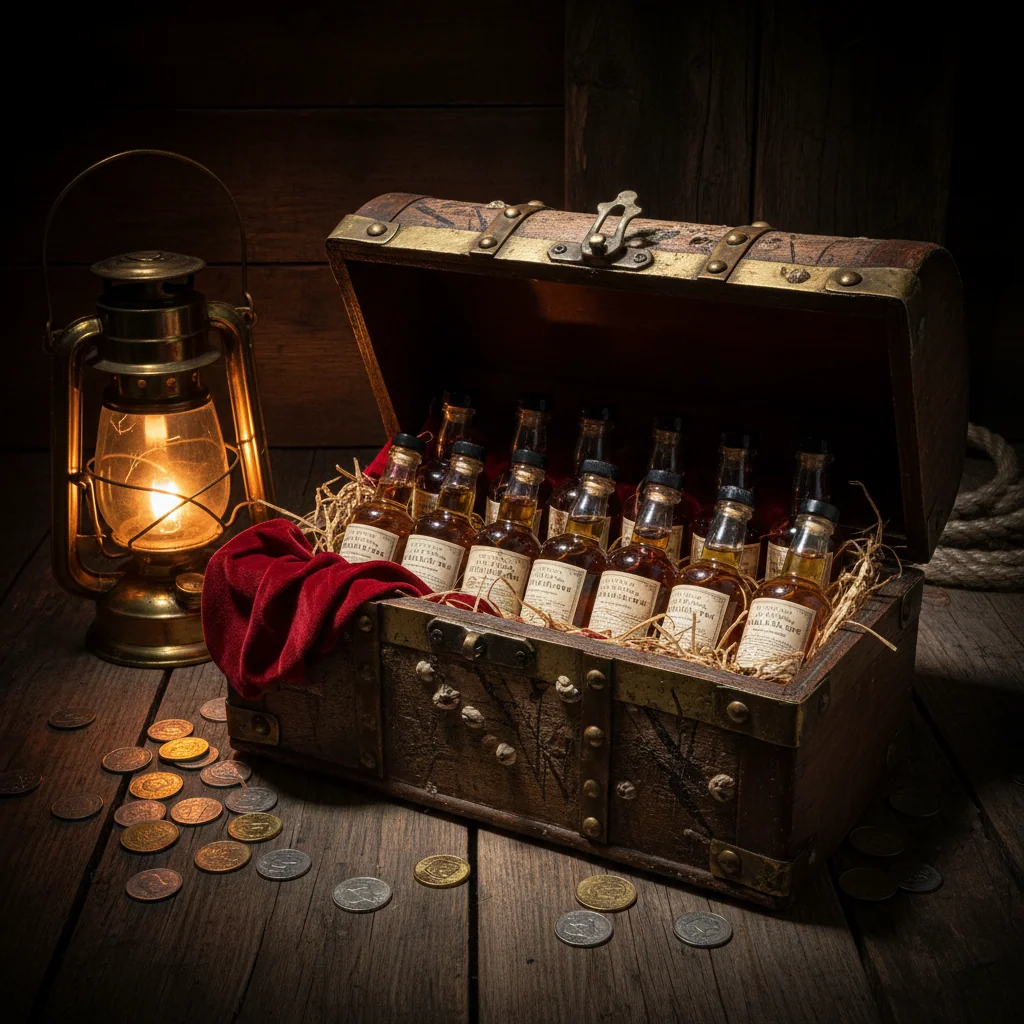
Pick up a bottle of 12-year-old Scotch and look at the colour. That deep, burnished amber — is it what it appears to be? Did it come entirely from years in an oak cask, or did someone add a small amount of a caramel-coloured food additive to get it there?
The answer, for a significant portion of commercial Scotch whisky, is the latter. E150a is the food colouring code for spirit caramel — a legally permitted additive in Scotch production that allows distillers to standardise the colour of their whisky across batches. It's a quiet industry practice that many consumers don't know exists, and understanding it changes how you read a bottle.
Why Distilleries Add It
Whisky is an agricultural product influenced by a huge number of variables: the barrels used, their previous contents, the warehouse they were stored in, the ambient temperature, the position of the cask on the rack. Even whisky from the same distillery, the same grain, the same yeast — matured for the same number of years — can vary substantially in colour from cask to cask.
For large commercial producers, this creates a problem. Their buyers — supermarkets, duty-free operators, on-trade accounts — expect product consistency. If Glenwhatevers 12-year-old is a pale straw colour in March and a deep amber in September, it creates consumer confusion, shelf presentation issues, and the implication that something has changed with the product.
E150a solves this neatly. A tiny quantity of the legally permitted caramel colouring is added before bottling to bring all the batches to a consistent visual standard. Done carefully, the colour looks perfectly natural.
The result: some bottles you assume to be rich amber from twenty years in a first-fill sherry cask are actually closer to pale gold, made to look deeper. The colour no longer tells you what you think it tells you.
Which Brands Use E150a (and Which Don't)
The Scotch Whisky Regulations don't require E150a to be declared on the label. So unless a brand specifically states "natural colour," you have no label-based guarantee either way.
Known to use E150a (or highly suspected based on colour inconsistency):
- Johnnie Walker range (standard expressions)
- Glenfiddich 12 (inconsistent colour suggests E150a for standardisation)
- The Macallan (this is complex — Macallan has historically emphasised natural colour, but some expressions have been questioned)
- Grant's, Famous Grouse, Whyte & Mackay, and most volume blended Scotches
Known to declare natural colour:
- Ardbeg (all expressions)
- Bruichladdich and Port Charlotte
- Springbank (all expressions)
- Kilchoman
- BenRiach (most expressions)
- GlenDronach (states natural colour on higher ABV expressions)
- Deanston (all core expressions)
- Most independent bottlers as standard policy
The single most reliable signal: look for "natural colour" on the label. A distillery that declares natural colour is telling you exactly what it is.
What Natural Colour Actually Looks Like
If you've never compared a natural-colour whisky to an E150a-adjusted one, you may be surprised. Natural colour varies substantially by cask type:
Ex-bourbon cask: Pale gold to light amber. After 12 years, a whisky matured entirely in first-fill bourbon casks might be a light honey colour — lighter than many people expect from an aged Scotch.
Ex-sherry cask: Much darker, often a rich mahogany. First-fill Oloroso sherry casks can colour whisky dramatically in just a few years. A 10-year-old in a first-fill sherry cask can be darker than a 21-year-old in an ex-bourbon cask.
Refill casks: Paler again — the cask has already given most of its colour (and flavour contribution) to a previous whisky. Refill bourbon casks might produce whisky that looks almost white wine pale after a decade.
None of these are wrong. They're honest representations of what the cask actually did. E150a makes them all look the same shade of presentable amber.
Does It Taste Different?
The flavour question is genuinely contested. The quantities of E150a used in whisky are small — typically a fraction of a percent of the bottle's volume — and at those concentrations the impact is debated.
Scientific analysis suggests E150a contributes minimal flavour at typical usage levels. Most sensory studies find tasters cannot reliably identify it blind.
However: experienced whisky tasters sometimes report a slight bitterness, a certain flatness or lack of clarity, in whiskies they believe to be heavily dosed. Whether this is the E150a or another production difference is difficult to isolate.
The stronger argument against E150a is not flavour — it's honesty. If colour communicates information about cask type, age, and spirit quality, then manipulating colour manipulates information. You may pay more for a "richer" whisky based partly on a colour that was manufactured rather than matured.
The Practical Takeaway
Buy whiskies labelled "natural colour" if the question matters to you. At equivalent prices, a natural-colour whisky is simply more transparent about what you're getting. The colour may be lighter than you expect, but it's honest.
Don't assume all E150a-adjusted whisky is bad — some of the world's most beloved expressions use it without significantly compromising quality. But if you want to taste whisky without any uncertainty about what's been added, the natural colour label is the clearest signal available.
See the non-chill-filtered guide for the related transparency question — the two policies often travel together.
Continue the voyage
Non-Chill-Filtered Whisky: What It Means and Why It Matters
What non-chill-filtered whisky actually means, why distilleries do it (and don't), and which brands are worth seeking out for it.
Decoding a Whiskey Label: What It All Means
Single malt, cask strength, non-chill-filtered — every term on a whiskey label explained in plain English, so you know what you're buying.
9 Whiskey Myths That Need to Die
From 'older is always better' to 'ice ruins whiskey' — nine persistent myths that are keeping you from actually enjoying your dram.

How Whisky Is Made: From Grain to Glass
The complete grain-to-glass guide — malting, mashing, fermentation, distillation, maturation, and bottling — explained without the jargon.