Wild Atlantic Whiskey: Galway to Donegal
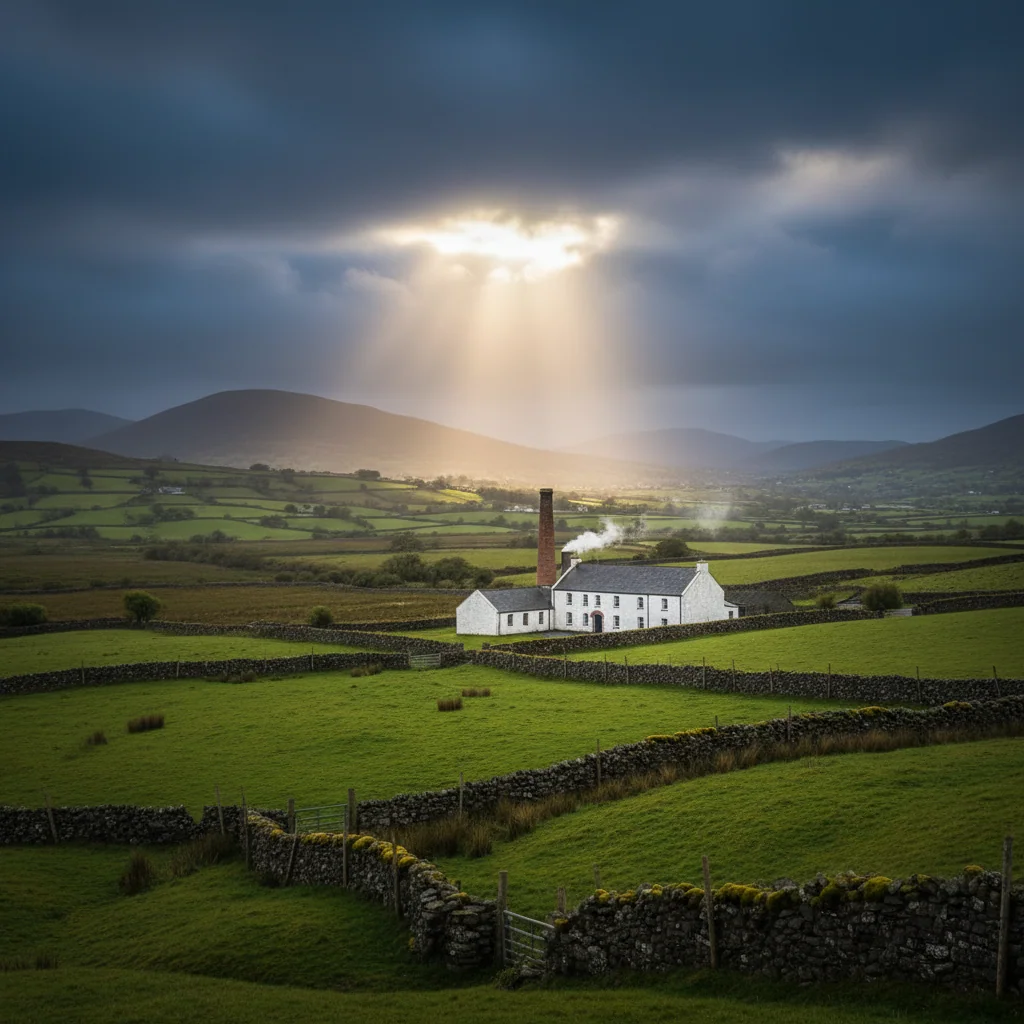
Rain comes in sideways off Galway Bay. The Spanish Arch is dark with it, and the Claddagh boats rock at their moorings. Inside a stone-walled distillery in the city's west end, a copper pot still is running a spirit that traces its lineage back through seven generations of illegal poitin-making in Connemara. The liquid in the glass is clear, fierce, and perfumed with bog myrtle. This is not old Ireland playing dress-up. This is old Ireland remembering what it actually tastes like.
West Ireland's whiskey story is a resurrection. For most of the twentieth century, the entire western seaboard had no working distillery. Everything had consolidated into the east — Dublin, Cork, Midleton. The west was left with memories, empty buildings, and old men who could tell you exactly where their grandfather's poitin still had been hidden. Then, around 2013, people started building again. Small operations, mostly. Stubborn, independent, rooted in specific places. A decade on, the Wild Atlantic Way has become one of Europe's most exciting whiskey trails — not because these distilleries are big, but because they are different from anything else on the island.
Galway: Poitin's Prodigal Return
Micil DistilleryWest IrelandToursShop is the beating heart of west Ireland's whiskey revival. Founded in 2016 by Padraic O Griallais in Galway's Salthill neighbourhood, it takes its name from Micil Mac Chearra, the founder's great-great-great-great-grandfather who began distilling poitin in Connemara in the 1840s. The family never really stopped — they just did it quietly. Now the operation is legal, housed in a proper distillery, and producing both traditional poitin and single pot still Irish whiskey.
The poitin — made from malted barley and flavoured with bog myrtle foraged from Connemara — is extraordinary. Floral, herbal, and surprisingly refined, it challenges every preconception about illicit Irish spirits. The whiskey releases are building year on year, and the distillery's location in the heart of Galway makes it the most accessible stop on the western trail.
Also in County Galway, Ahascragh DistilleryWest IrelandToursShop opened in 2023 as Ireland's first zero-emissions distillery. Based in the village of Ahascragh in east Galway, it produces whiskey under the UAIS and Clan Colla brands, and its environmental credentials are genuine — powered entirely by renewable energy. It is early days for their own spirit, but the ambition and the execution are serious.
Drumshanbo: The Innovator
The Shed DistilleryWest IrelandToursShop in Drumshanbo, County Leitrim, is probably best known for Drumshanbo Gunpowder Irish Gin — that distinctive blue ceramic bottle is hard to miss in any bar. But the whiskey operation is where the long-term ambition lies.
The Shed Distillery
Drumshanbo Single Pot Still Irish Whiskey
Green apple and vanilla cream on the nose with a distinctive pot still spice — white pepper, clove, and a grassy freshness. The palate delivers honeycomb, toasted grain, and a gentle nuttiness. The finish is medium-length with a pleasant oiliness and lingering baking spice. A modern take on single pot still that respects the tradition without being shackled to it.
Buy on The Whisky ShopFounded in 2013 by PJ Rigney, The Shed was one of the first of the new wave of Irish distilleries, and its head start shows in the maturity of its whiskey releases. The distillery tours are well-regarded, and Drumshanbo itself — a small town on the Shannon-Erne waterway — is the kind of quiet, characterful Irish village that makes you consider extended stays.
Mayo: Mountains and Malt
County Mayo is wild country, and its distilleries reflect that.
Ballina DistilleryWest IrelandToursShop in Ballina has been producing spirit since 2014, making it one of the west's elder statesmen. They produce single malt, single pot still, and single grain whiskeys — a range that gives them flexibility most small distilleries lack. The Connacht Single Malt releases are showing real promise: fruity, well-structured, and distinctly western Irish in character.
Connacht Whiskey Company
Connacht Single Malt Irish Whiskey
Golden colour with orchard fruit, vanilla, and a faint floral note on the nose. The palate is clean and malty — honeyed barley, green pear, a touch of ginger, and a creamy mouthfeel. The finish is medium with cereal sweetness and a whisper of white pepper. Bottled at 47% with no chill filtration, this has real integrity for a young distillery finding its voice.
Buy on The Whisky ShopOut on the Atlantic edge, Achill Island DistilleryWest IrelandToursShop holds the distinction of being Ireland's first island distillery. Achill Island is a raw, beautiful place — sea cliffs, empty beaches, deserted famine villages — and the distillery draws on that landscape. Whiskey is maturing in warehouses battered by Atlantic storms, and the salt air will inevitably mark the spirit. Getting there requires crossing the bridge from the mainland and driving to the western end of the island, which feels like driving to the edge of Europe.
Further inland, Lough Mask DistilleryWest IrelandTours operates on the shores of its namesake lake in south Mayo. It is a small operation producing grain and malt whiskeys, and its lakeside setting is about as peaceful as distilling gets.
Sligo and Leitrim: Lakeside Spirits
Hawk's Rock DistilleryWest Ireland on the shores of Lough Gill in County Sligo is one of the larger new Irish distillery operations, now owned by Sazerac (the American spirits giant behind Buffalo Trace bourbon). Their Athru brand is already in the market, and the distillery's scale suggests serious ambitions. The setting — on a lake immortalised by W.B. Yeats — does not hurt either.
Clare: Whiskey from the Karst
Further south, Burren Whiskey DistilleryWest IrelandToursShop is producing whiskey and gin in one of Ireland's most geologically unusual landscapes. The Burren's limestone karst — a lunar expanse of cracked rock, rare wildflowers, and underground rivers — provides both the water and the atmosphere. The distillery is young and the whiskey releases are in their early stages, but the location is unforgettable and the gin (flavoured with Burren botanicals) is already excellent.
Planning Your Visit
Getting there: Galway is the natural gateway — three hours by road or rail from Dublin, with a small airport serving London routes. The Wild Atlantic Way runs the length of the west coast and connects most of these distilleries, though not in anything resembling a straight line.
How long: Four to five days for a proper west Ireland whiskey trail. Galway (Micil, Ahascragh) fills a day. Drumshanbo a half-day. Connacht and Achill Island need a full day each, with driving time factored in. Lough Gill and the Burren add another day or two.
Best time: May to September for the best weather (by west Ireland standards, which still means packing waterproofs). The Galway Races in late July and the arts festival in mid-July bring crowds and inflated accommodation prices.
Getting around: You need a car. West Ireland's public transport is sporadic at best, and many of these distilleries are in places that buses do not reach. The roads are good but often narrow, and the scenery will slow you down — in a good way.
Where to stay: Galway city is the best base for the southern half of this trail. Westport (County Mayo) works well for Connacht and Achill Island. Sligo town for Lough Gill. All three are characterful towns with excellent food scenes.
See all West Ireland distilleries on the map in the Chart Room.
Continue the voyage
Dublin to Dundalk: Ireland's Whiskey Corridor
15 distilleries along Ireland's east coast — from Teeling's Dublin revival to Slane Castle's rock-and-rye heritage.
The Islay Pilgrimage: Every Distillery on Whisky's Wildest Island
All 12 active distilleries on Islay mapped and profiled — from Ardbeg's peat thunder to Bunnahabhain's unpeated elegance.
Scotch vs Irish vs Bourbon: What Actually Makes Them Different
The real legal, production, and flavour differences between Scotch, Irish whiskey, and bourbon — not the generic version.