Buying a Cask of English Whisky: Who Sells Them, What It Costs, and What You Actually Get
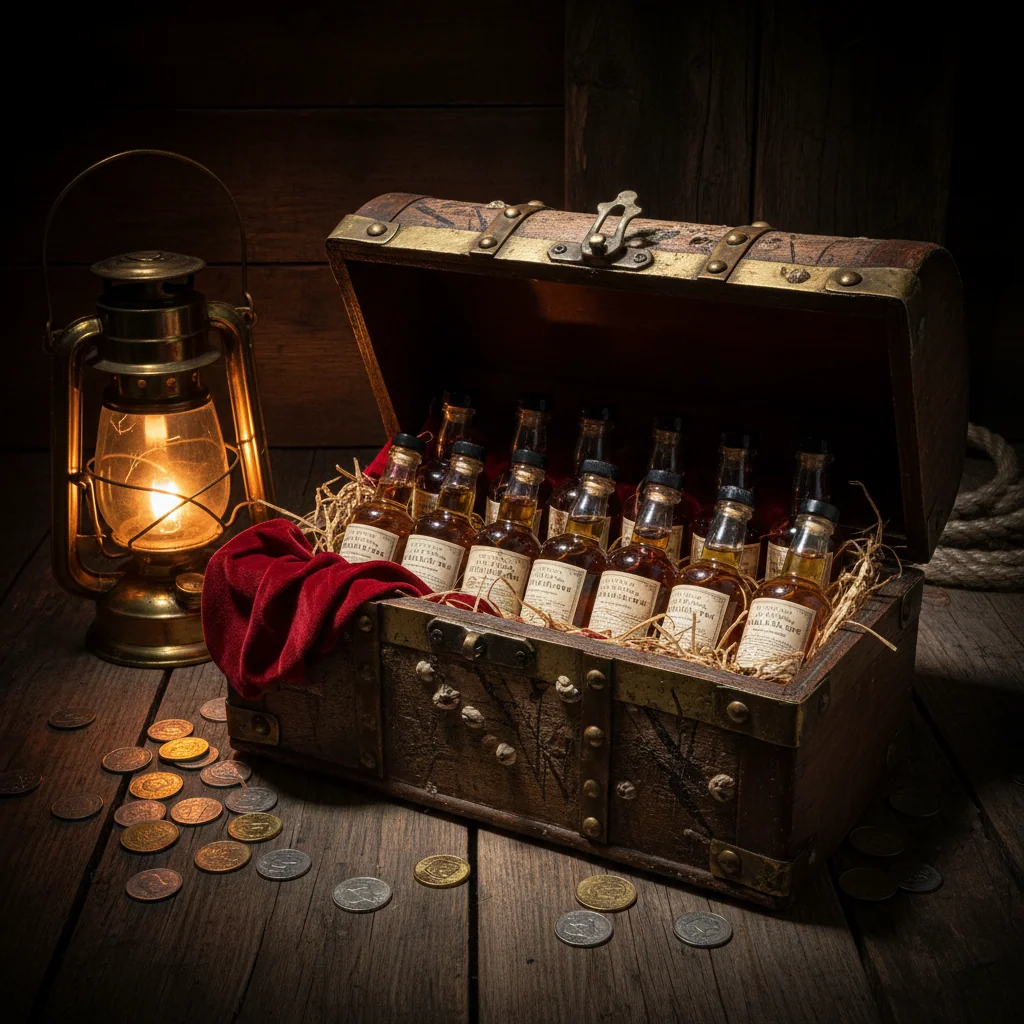
Log entry, South England bonded warehouse, low winter light. Three hundred casks in the dunnage rack, and exactly one of them belongs to the visitor standing in front of it with a clipboard. Ten years ago that clipboard would've said Speyside or Islay. Today it says Cotswolds, or Lakes, or Bimber — and the owner paid less for it than the equivalent Scotch cask would've cost from a broker's glossy brochure.
English whisky casks used to be theoretical. Twenty years ago there were almost no English distilleries, so there were almost no English casks to buy. A decade ago the handful of operating distilleries were focused on laying down their own stock, not selling casks to private buyers. Today, with 22 English whisky distilleries active and a second wave building capacity, private cask programmes have emerged quietly at several of them — and a handful of specialist retailers now broker English casks in a way that didn't exist before.
This is a different market to Scotch cask investment. Smaller. More direct. Less hype. Less liquidity. And — because of the last two — more honest.
Why English Casks Are a Different Category to Scotch
The Scotch cask market has been around long enough to accumulate a large secondary market, a crowded field of brokers, a significant fraud problem, and a marketing machine that pushes cask investment as an asset class. See whiskey investment for beginners for the full honest picture of the Scotch side.
English casks sit in an earlier, smaller, quieter phase.
There are fewer brokers. Most English casks are sold either direct by the distillery (with a simple contract and a named cask) or through a handful of specialist retailers. The layers of intermediation that make Scotch cask investment opaque don't exist yet.
Pricing is more transparent. Because the market is small and the distilleries are young, they're pricing casks against their own production costs and a modest margin — not against a speculative secondary market that doesn't exist. You can usually get a direct price quote and compare it against bottle retail to see if the economics make sense for you.
Liquidity is almost non-existent. There's no active secondary market for English casks. If you buy one and change your mind in three years, you're likely reselling back to the distillery at their terms, trying to find a private buyer through word-of-mouth, or bottling and selling bottles individually. Plan accordingly.
Distillery relationships are first-hand. Many English cask buyers know the distiller personally. That's not a sales pitch — it's a structural feature of buying from a small, young operation. You'll get invited to visit, sample, and be involved in cask finishing decisions in ways that aren't available at larger Scotch distilleries.
Who Actually Sells English Whisky Casks
Five types of seller, roughly in order of how you'd encounter them:
1. Direct from the distillery. The Lakes Distillery, Cotswolds, Bimber, The English Whisky Co. (St George's), White Peak, and several others run private cask programmes. Contact the distillery's sales or founder's office directly. Expect a conversation, not a web checkout.
2. Specialist English-spirits retailers. Digital Distiller is the most active current broker of English whisky casks in the UK, working with several distilleries to offer casks alongside their bottle retail business. Their cask offering is run through an enquiry flow rather than online checkout — sensible, given the ticket size. Seeing cask availability in the same place you can see the distillery's bottled output gives you direct context for what the cask is likely to mature into.
3. Cask broker platforms. A handful of UK cask brokers have started offering English stock alongside Scotch. Apply more scepticism here — the same operator-quality concerns that affect Scotch cask brokerage apply, and the lack of English secondary-market data makes valuation claims harder to check.
4. Distillery founding schemes. Several new English distilleries have run founding-member or cask-ownership schemes as part of their crowdfunding. These can be genuinely good value if the distillery succeeds — and a complete loss if it doesn't. Treat these as long-term bets on a specific operation, not as investments.
5. Private sale. Occasional private sales appear through whisky Facebook groups, enthusiast forums, and auction houses. Due diligence on provenance and bonded-warehouse transfer is entirely on you.
What a Cask Actually Costs
Rough 2026 indicative pricing for a new-fill English cask, direct from an operating distillery or specialist retailer:
| Cask type | Volume | Price range (new-fill) | Bottles after 5 years (est.) |
|---|---|---|---|
| Octave | ~50L | £2,500–£4,000 | 35–45 |
| Quarter cask | ~100L | £3,500–£6,500 | 60–80 |
| Hogshead | ~250L | £6,000–£12,000 | 150–180 |
| Barrel (ex-bourbon) | ~200L | £4,500–£9,000 | 120–150 |
| Butt (ex-sherry) | ~500L | £12,000–£25,000 | 320–380 |
Prices vary substantially by distillery reputation, cask type, and the specific spirit being filled. A first-fill sherry butt from a well-regarded producer will cost multiples of an ex-bourbon barrel from a young one.
On top of the purchase price:
- Annual storage: £80–£150 per cask per year at English bonded warehouses, typically lower than the £100–£200 range that's standard for Scotland
- Insurance: Usually included in storage at the distillery; specialist warehouses sometimes charge separately
- Sampling fees: £20–£50 if you want draws for tasting before bottling
- Bottling costs: Labour, glass, labels, duty (£11.14 per 70cl bottle at 46% ABV based on 2026 HMRC schedule), and VAT — budget £12–£18 per bottle at bottling time
The duty line is the big one. You don't pay duty while the spirit sits in bond. You pay it in full at bottling, and duty is charged on the litres of pure alcohol, not the retail price. A cask bottled at cask strength (typically 55–60%) costs noticeably more in duty than one bottled at 46%.
What You Actually Own
A whisky cask is a physical object — hundreds of litres of spirit in an oak container — held in a HMRC-approved bonded warehouse. You'll receive:
- A delivery order or certificate showing the cask number, fill date, distillery, and your name as owner
- Annual statements from the warehouse showing remaining litres of alcohol (LPA) and current ABV
- The option at any time to sample, bottle in part, bottle in full, or transfer ownership
Crucially, you do not physically possess the cask. It stays in bond because spirit out of bond triggers duty. Visiting your cask is usually possible by arrangement — several distilleries actively encourage it — but you can't take it home as a cask.
Honest Economics: Per-Bottle Maths
The question most private buyers actually care about: what does this work out per bottle?
Take a middle-of-the-road example. A £5,500 quarter cask of new-fill English single malt, stored for six years at £120 per year, bottled at 46% producing 75 bottles. Run the maths:
- Cask purchase: £5,500
- Storage (6 × £120): £720
- Bottling labour/glass/labels (75 × £4): £300
- Duty (75 × 70cl × 46% × £32.79/LPA): £807
- VAT on final cost: not payable if bottling for personal use, payable if selling commercially
Total cost: ~£7,300. Per-bottle cost: ~£97.
Compare that to retail: the same distillery's equivalent single malt at the same age might sell for £70–£90 a bottle. So on simple bottle economics you're at roughly retail, sometimes slightly above. The value isn't in cost-per-bottle — it's in owning a single-cask bottling unique to you, and having 75 bottles of it to drink, gift, or sell over a decade.
If you're hoping the cask matures into something exceptional, appreciates significantly, and is worth substantially more at the point of bottling — possible, but not the base case. Don't budget on it.
From the crew
Digital Distiller brokers casks from multiple English distilleries, which is useful if you don't want to commit to one producer before sampling their range. Their bottle catalogue is a reasonable way to taste before you buy at cask scale — try a distillery's core range first, decide if the house style is for you, then enquire on the cask side.

Affiliate partner
Digital Distiller
English Whisky Casks
Which English Distilleries' Casks to Consider
There's no objective "best" — there's best-for-your-palate and best-for-your-budget. A sketch of the landscape:
Established and higher-priced:
- The Lakes Distillery — sherry-led style, strong reputation, prices at the top end of English cask pricing
- Cotswolds Distillery — local barley, heavier expressions, cult-ish following, limited availability
- Bimber — London-made, heritage barley, direct-fired stills, sells out fast, cask access rare and prestigious
- The English Whisky Co. / St George's — the pioneer, mature stock, sensible pricing, broad style range
Younger but interesting:
- Spirit of Yorkshire — genuine field-to-bottle, Filey Bay house style, coastal maturation
- White Peak — Derbyshire, interesting wood programme, Wire Works reputation rising
- Copper Rivet — Kent heritage grain, delicate style, modest cask pricing
New wave:
- Ad Gefrin — Northumberland, architecturally striking, honeyed profile emerging
- Circumstance — Bristol, grain-forward, experimental
- Dartmoor — England's most southerly, maritime character
If you're early in the market and prepared to wait, the new-wave distilleries tend to offer better per-litre value — at the cost of more maturation uncertainty and zero secondary-market visibility.
How This Differs From Spiritfilled
Spiritfilled is the best-known UK cask marketplace, focused on Scotch. Their model is different: they broker existing, partly-matured casks across a wide range of Scotch distilleries, provide third-party verification, and operate a secondary-market mechanism that makes re-sale more straightforward than the typical broker.
English cask buying is currently more like the Scotch model of twenty years ago: fewer brokers, more direct, smaller, less hyped. That's an argument for caution and an argument for honesty — there's less machinery between you and the spirit, and less temptation to dress a cask purchase up as an investment.
Cover both sides of the aisle if cask ownership interests you: consider English casks for distinctive spirit and direct distillery relationships, consider Spiritfilled's Scotch marketplace for transparency and some exit liquidity.
The Honest Risk List
- The distillery may close. English whisky is a young category. Not every current distillery will still be operating in ten years. If yours closes, your cask still exists but the brand value collapses
- Quality is not guaranteed. Cask maturation is the most unpredictable stage of whisky production. You might end up with liquid that's retail-good; you might end up with liquid that's over-oaked, under-developed, or off
- Resale is hard. Plan on bottling and using, not flipping. If you need the capital back in three years, this is the wrong purchase
- Duty regime can change. The £32.79/LPA duty rate is a moving target. A significant hike between purchase and bottling changes your economics
- Warehouse risk exists but is limited. HMRC-approved bonded warehouses have robust insurance. Smaller distillery warehouses occasionally don't. Check the specifics before buying
Who This Category Suits
It suits patient buyers who'd enjoy owning 60–300 bottles of a unique English whisky, who have the capital to leave idle for six to twelve years, who are interested in the distillery's work regardless of financial outcome, and who accept they may end up paying slightly above retail per bottle after all costs.
It doesn't suit anyone buying on a cold return projection, anyone with sub-five-year liquidity needs, or anyone who hasn't already drunk and enjoyed that distillery's core range.
If that first description sounds like you, the English cask market is at a genuinely interesting point. The distilleries are young, the spirit is improving fast, and private cask ownership is available at prices that won't be this low again once the category's second decade delivers its first batch of decade-old English single malts.
From the crew
If you've never tasted widely across English distilleries, spend your first £50 on bottles, not £5,000 on a cask. A Digital Distiller English Whisky Subscription is a reasonable way to cover a lot of house styles quickly — the cask decision is easier once you know which distillery's spirit you already enjoy.
Further reading: whiskey investment for beginners for the wider cask-vs-bottle picture; cask types influence for how different woods shape the spirit; best English whisky for bottles to taste before committing at cask scale.
Continue the voyage
Whiskey Investment for Beginners: Casks, Bottles, and the Risks No One Mentions
Is investing in whisky actually worth it? Cask investment, rare bottle flipping, risks, returns, and how to start without getting burned.
Best English Whisky: 8 Bottles From the New Frontier
Eight English whiskies worth your attention — from The Lakes to Bimber, the new frontier of British whisky is producing serious spirit.
English Whisky: The Lakes, Cotswolds, and London's New Wave
22 English distilleries from Norfolk to the Lake District — a new whisky nation finding its voice outside Scotland's shadow.
Sherry, Bourbon, Port: How the Cask Shapes Your Dram
Bourbon casks give vanilla, sherry casks give dried fruit, port casks give berry — here's how to read the wood behind your whisky.