Best Peated Whiskies: 10 Smoke Signals Worth Following
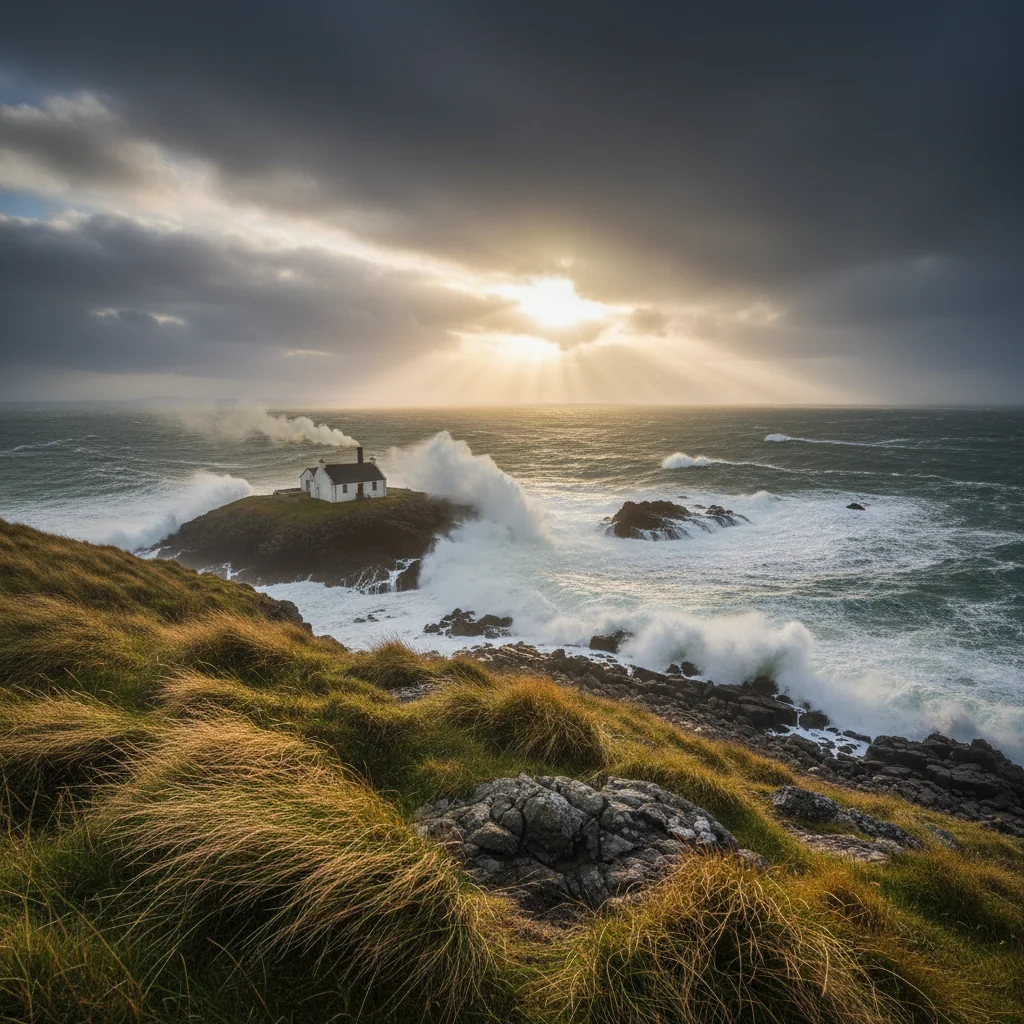
Smoke on the horizon. The log is thick with notes of char and ash and salt tonight — the kind of entries a captain writes when Islay is close and the wind carries peat reek across the water. These are the bottles that left their mark.
Peated whisky divides people. You either chase the smoke or you run from it. But "peated" is not a single flavour — it is a spectrum that runs from a gentle campfire suggestion all the way to drinking a bonfire. The mistake most people make is starting at the heavy end and concluding they hate peat. That is like deciding you hate spicy food because someone handed you a Carolina Reaper.
This list runs lightest to heaviest. Start where you are comfortable and work your way up. Or dive straight into the deep end. I am not your mother. If you want to understand the underlying science of why peated whisky tastes the way it does, our peated vs unpeated guide covers the PPM scale, regional peat differences, and how to calibrate your palate.
Light Smoke (The Gateway)
These are where peat-curious drinkers should begin. The smoke is present but polite.
Benromach
Benromach 10 Year Old
Speyside does not usually do peat, which makes Benromach an outlier in the best way. Light, earthy smoke underneath sherry fruit, malt, and a hint of dark chocolate. The peat here is a background note — a gentle reminder rather than a statement. Brilliant entry point for smoke-shy drinkers.
Buy on The Whisky BarrelThe team at Benromach DistillerySpeysideToursShop revived this tiny Speyside distillery in 1998 and have been quietly making some of the region's most interesting whisky ever since.
Highland Park
Highland Park 12 Year Old Viking Honour
Orkney peat is different from Islay peat. It is heathery, floral, and sweet rather than maritime and medicinal. Highland Park wraps that gentle smoke in sherry cask richness — honey, dried orange, and warm spice. The finish glows rather than burns. A masterclass in balance.
Buy on The Whisky ShopHighland Park DistilleryNorth ScotlandToursShop sits further north than almost any distillery in Scotland. The peat they cut from Hobbister Moor is full of heather roots, which gives their smoke its distinctive floral sweetness.
Medium Smoke (The Sweet Spot)
Enough peat to be the main character, but balanced with other flavours. This is where many peat lovers settle permanently.
Talisker
Talisker 10 Year Old
Maritime peat with serious pepper. Sea salt, bonfire smoke, dried chilli, and underneath it all a surprising sweetness — malt and dried fruit holding everything together. The finish crackles on the tongue like hot pebbles. Skye's only distillery, and it produces something utterly unique.
Buy on The Whisky ShopTalisker DistilleryScottish IslandsTours has been making whisky on Skye since 1830. There is nowhere else that tastes quite like it — that combination of pepper, salt, and smoke is unmistakable.
Tobermory
Ledaig 10 Year Old
Ledaig is the peated alter ego of Tobermory distillery on Mull. Maritime smoke, oily texture, smoked meat, iodine, and a sweet malty backbone. Bottled at a proper 46.3% without chill filtration. Criminally overlooked — if this carried an Islay postcode it would cost twice as much.
Buy on The Whisky ShopTobermory DistilleryScottish IslandsToursShop produces two completely different whiskies from the same stills — unpeated Tobermory and heavily peated Ledaig. Ledaig is the one the whisky geeks reach for.
Caol Ila
Caol Ila 12 Year Old
The workhorse of Islay — Caol Ila is the island's largest distillery and the backbone of Johnnie Walker's smoky character. Lemon oil, sea spray, clean smoke, and a gentle sweetness. More elegant than aggressive. If Laphroaig is a shout, Caol Ila is a firm conversation.
Buy on The Whisky BarrelCaol Ila DistilleryScottish IslandsTours produces more whisky than any other Islay distillery, but most of it disappears into blends. The single malt is one of the island's best-kept secrets.
Heavy Smoke (The Commitment)
This is where the peat takes over. Not for beginners, but deeply rewarding for those who have built up to it.
Bowmore
Bowmore 12 Year Old
Islay's oldest distillery walks the line between peat and sherry cask elegance. Dark chocolate, smoked honey, lemon, and sea salt. The peat here is rounded and warm rather than sharp. A good bridge between medium and heavy — serious smoke that still wants to be your friend.
Buy on The Whisky ShopBowmore DistilleryScottish IslandsToursShop still malts some of its own barley in its floor maltings — one of the few distilleries left that bothers. It makes a difference.
Springbank
Springbank 10 Year Old
Campbeltown's cult favourite. Briny, oily, lightly peated, and endlessly complex. Salted caramel, damp earth, vanilla, and a whiff of engine oil that sounds wrong but tastes brilliant. Springbank does everything in-house — malting, distilling, bottling — and the result is whisky with genuine personality.
Buy on The Whisky BarrelSpringbank DistilleryWest ScotlandToursShop is one of the last truly independent distilleries in Scotland. Getting a bottle has become increasingly difficult — if you see one at retail price, buy it.
Full Peat Monster (The Deep End)
Maximum smoke. Maximum intensity. Not a place to start, but a glorious place to end up.
Laphroaig
Laphroaig 10 Year Old
TCP, seaweed, bonfire, and bandages — and somehow it all works magnificently. Underneath the medicinal blast there is vanilla, lemon, and a surprising sweetness. Love it or hate it — there is no middle ground. The most polarising whisky in the world and proud of it. Prince Charles gave it a Royal Warrant, which tells you something.
Buy on The Whisky ShopLaphroaig DistilleryScottish IslandsToursShop sits right on the shoreline of Islay's south coast. The sea spray literally hits the warehouse walls. You can taste the location.
Ardbeg
Ardbeg 10 Year Old
If Laphroaig is a punch, Ardbeg is a bear hug. Massive peat smoke, but balanced with lime zest, smoked fish, dark chocolate, and espresso. The complexity here is staggering — every sip reveals something new. Bottled at 46% without chill filtration, because Ardbeg does not believe in half measures.
Buy on Loch Fyne WhiskiesArdbeg DistilleryScottish IslandsToursShop nearly closed in the 1980s and 1990s. The fact that it survived to produce whisky this good is one of the great comeback stories in Scotch.
A Note on Peat Levels
Peat intensity is measured in PPM (phenol parts per million) in the malted barley before distillation. For rough context:
- Unpeated: 0-5 PPM (most Speyside, Lowland)
- Lightly peated: 5-15 PPM (Benromach, Highland Park)
- Medium peated: 15-30 PPM (Talisker, Bowmore)
- Heavily peated: 30-55 PPM (Laphroaig, Ardbeg, Lagavulin)
- Peat monsters: 55+ PPM (Octomore, some Kilchoman)
Water Is Your Friend
Heavy peat can overwhelm at full strength. Adding a few drops of water to big Islay malts does not dilute the smoke — it opens it up and lets you taste the subtleties underneath. Anyone who tells you adding water is wrong has never actually tried it properly.
The key thing to understand about peat is that PPM only tells part of the story. Distillation, cask maturation, and time all affect how smoky the final whisky actually tastes. A twenty-year-old heavily peated whisky will taste less smoky than a five-year-old one, because the peat fades as the spirit matures. The whisky gets more complex, but the raw smoke softens. Neither is better — they are just different.
Continue the voyage
Best Whiskey Between £30 and £60: The Sweet Spot
10 brilliant whiskeys in the £30-60 range — the price bracket where quality actually lives. Scotch, Irish, bourbon, and Japanese picks with real tasting notes.
The Islay Pilgrimage: Every Distillery on Whisky's Wildest Island
All 12 active distilleries on Islay mapped and profiled — from Ardbeg's peat thunder to Bunnahabhain's unpeated elegance.
Every Islay Distillery Ranked by Peat Level
All 11 Islay distilleries ordered from lightest to heaviest peat, with real PPM levels, tasting notes, and bottles worth trying.