Dram of the Month: January 2026
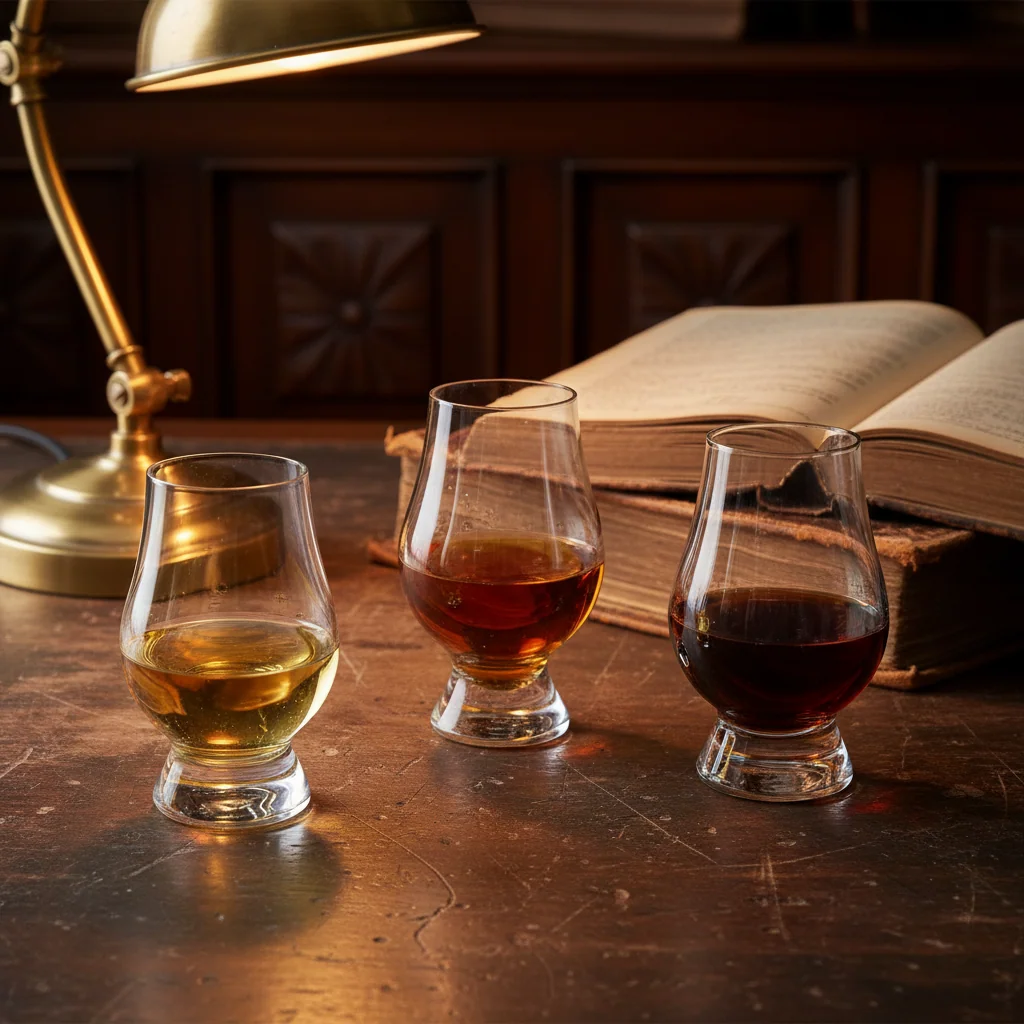
Captain's log, mid-January. The heating's on, the curtains are drawn by four o'clock, and the wind outside sounds like it's personally offended by the existence of windows. There are whiskies for sunshine and whiskies for celebration, but there's really only one whisky for this — the deep midwinter, when you need something that feels like a peat fire in a glass.
Lagavulin 16. No tricks, no surprises, no need for a complicated introduction. This is the whisky that converted more people to peated Scotch than any other, and it earns its place as the January dram because nothing else tastes quite so much like wrapping yourself in a wool blanket beside the sea.
The Distillery
Lagavulin DistilleryScottish IslandsToursLagavulin sits on the southern shore of Islay, wedged between the ruins of Dunyvaig Castle and the cold waters of Lagavulin Bay. It was founded in 1816, though illicit distilling on the site goes back much further — probably to the 1740s, when the bay's sheltered position made it ideal for avoiding the taxman's attention.
The distillery runs its stills slower than almost anyone else on Islay. Where Ardbeg and Laphroaig push for speed and intensity, Lagavulin takes its time. The wash still run takes roughly five hours — nearly double the industry average. This patience is what gives Lagavulin its distinctive richness. The smoke is there, unmistakably, but it's woven into a much denser fabric of flavour than its neighbours produce.
The water source is the Solan Lochs above the distillery, filtered through peat on its way down. The barley is peated to around 35-40 ppm (parts per million of phenol), putting it firmly in the heavily peated category alongside Ardbeg and Laphroaig, though the finished whisky often tastes less aggressive than those numbers suggest.
For over 200 years, Lagavulin has been making essentially the same whisky, in the same place, with the same water. In an industry that loves innovation, there's something deeply reassuring about that kind of stubbornness.
The Whisky
Lagavulin 16 is matured for a minimum of sixteen years in ex-bourbon American oak casks, with some European oak in the mix. It's bottled at 43% — a touch above the standard 40%, which makes a noticeable difference to the body and intensity.
It was selected as one of the original six Classic Malts of Scotland when Diageo (then United Distillers) launched the range in 1988. The idea was to represent the diversity of Scotch with one whisky from each major region. Lagavulin represented Islay, and it still does.
Tasting Notes
Colour: Deep amber with golden edges. Sixteen years in oak gives it genuine depth.
Nose: The first thing you get is smoke — but not the sharp, antiseptic smoke of some Islay malts. This is a warmer smoke, like a bonfire on a beach after rain. Behind it: iodine, seaweed, dried apricot, and something sweet and almost medicinal, like old-fashioned cough drops.
Add a few drops of water and the nose opens further. Now there's vanilla, salted caramel, dark honey, and a faint whiff of something floral — heather, perhaps, or dried lavender.
Palate: Full-bodied and oily. The smoke arrives first but immediately makes room for a wave of sweetness — burnt toffee, stewed plum, dark chocolate. Mid-palate brings sea salt, cracked black pepper, and a gentle astringency from the oak. The mouthfeel is remarkably thick for 43%.
Finish: This is where Lagavulin 16 earns its reputation. The finish is extraordinarily long — easily a minute, probably longer. The smoke rolls on and on, gradually giving way to espresso, dry oak, and a final breath of maritime air. It's the kind of finish that makes you sit quietly and stare at nothing for a while.
Lagavulin
Lagavulin 16 Year Old
Beach bonfire smoke, sea salt, burnt toffee, stewed plum, dark chocolate, espresso. An extraordinarily long finish that defines Islay whisky.
Buy on The Whisky ShopHow to Drink It
Neat is the default, and it's a good default. At 43%, the alcohol doesn't overwhelm, and the sixteen years of maturation have smoothed the raw edges of the peat.
With water is better, in my opinion. Three to four drops from a pipette lifts the bonnet and reveals the engine underneath. The sweetness becomes more prominent, the smoke softens without disappearing, and those dried fruit and chocolate notes get room to breathe. Don't overdo it — too much water and Lagavulin loses its structure.
With ice is possible but not recommended. Chilling suppresses the aromas that make this whisky special. If you want a cold smoky drink, Lagavulin makes an exceptional base for a Penicillin cocktail (with lemon, honey-ginger syrup, and a float of peated Scotch) — but at this price, you might want to use Lagavulin 8 or a cheaper Islay malt for mixing.
From the crew
If you're new to peated whisky, try Lagavulin 16 alongside something unpeated — a Glenfiddich 12 or Glenmorangie Original. The contrast will help your palate isolate the smoke and understand what peat actually brings to the party.
Food Pairings
Lagavulin 16 stands up to bold flavours that would bulldoze a lighter whisky:
- Dark chocolate (70%+ cocoa) — The classic pairing. The bitterness of the chocolate meets the sweetness of the whisky somewhere in the middle. Superb.
- Smoked cheese — A good smoked cheddar or Applewood creates a double-smoke effect that works far better than it should
- Venison or game — The richness of venison with the peat smoke of Lagavulin is one of those combinations that feels like it was designed by someone who understands both deeply
- Blue cheese — Specifically Stilton or Roquefort. The salt and funk of the cheese against the smoky sweetness is electric
- Smoked salmon — Almost too obvious, but the maritime notes in the whisky echo the fish beautifully
Avoid pairing with anything too delicate — white fish, light salads, mild cheeses. Lagavulin will annihilate them.
When to Drink It
January, obviously. But beyond this month, Lagavulin 16 belongs to particular moments: the end of a long walk in the cold, the final night of a holiday, a conversation that's gone quiet enough to just listen to the fire. It's not an everyday dram — not because it's too expensive, but because its intensity demands a certain mood.
Pour it when the evening has slowed down. When you've got nowhere to be. When the only thing competing with the whisky for your attention is the sound of wind or rain or silence.
That's when Lagavulin 16 does its best work.